
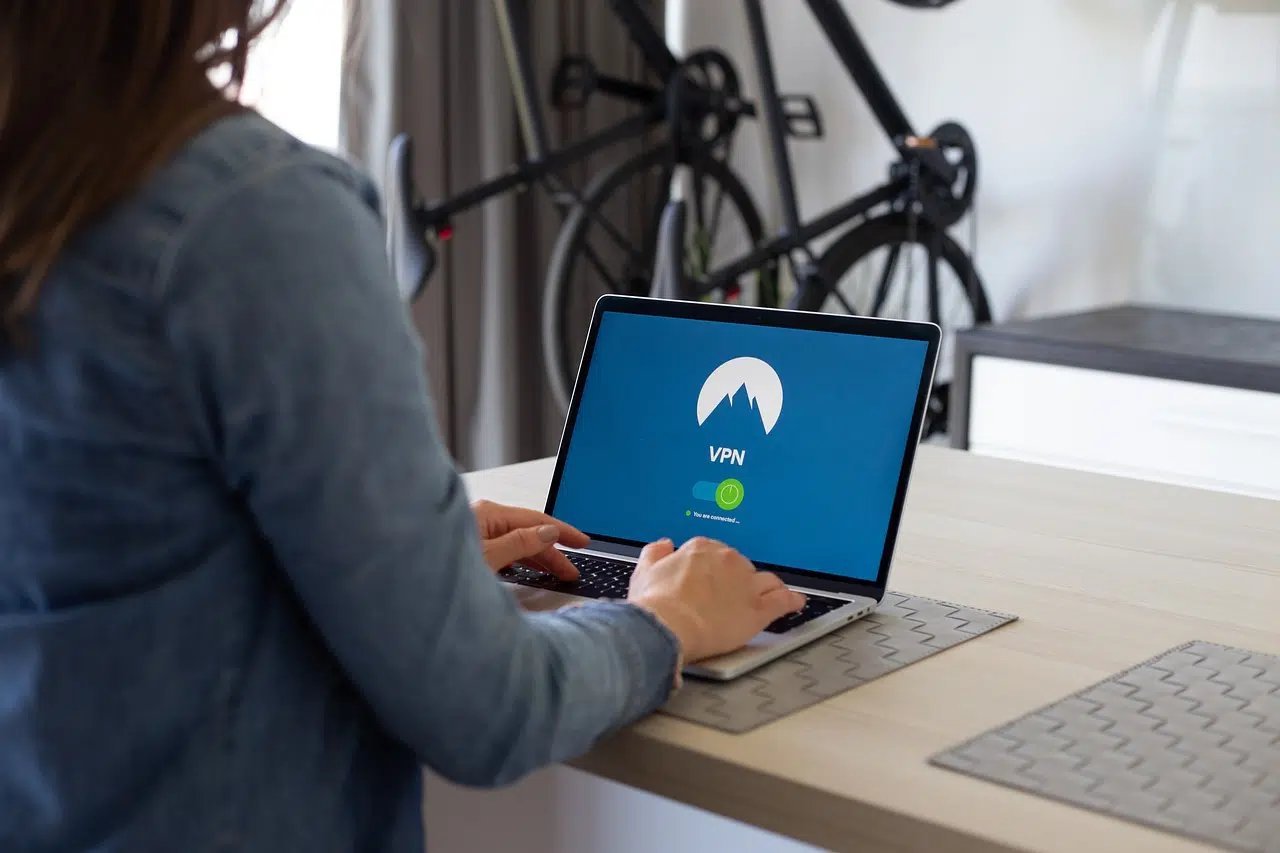
What Is a VPN — and Do You Really Need One at Home?
Every YouTube video seems to be sponsored by a VPN these days. “Protect yourself! Hackers are everywhere! Use my code for 83% off!” It’s hard to know whether a VPN is essential security or just well-marketed paranoia. I’ve used VPNs on and off for years, and the honest answer is: it depends entirely on what you do online.
Let’s cut through the sponsorship patter.
What Is a VPN and Do I Really Need One at Home?
A VPN (Virtual Private Network) encrypts your internet traffic and routes it through a server run by the VPN company, hiding your browsing from your internet provider and masking your location. At home, on your own trusted Wi-Fi, most people don’t strictly need one — your connection to websites is already encrypted (that padlock in the address bar). A VPN matters most on public Wi-Fi, for accessing region-locked content, or if you specifically want to keep your browsing private from your ISP.
What a VPN Actually Does
Normally, your internet provider can see which websites you visit (though not the content of encrypted pages). A VPN wraps all your traffic in an encrypted tunnel to the VPN company’s server. Your ISP sees only “encrypted traffic to VPN server” — nothing else. Websites you visit see the VPN server’s location, not yours.
That’s it. That’s the whole trick. Everything else is marketing built on top of that one mechanism.
When a VPN Is Genuinely Useful
- Public Wi-Fi. This is the strongest case. Café, hotel, airport and train Wi-Fi can be snooped on or faked. A VPN encrypts everything, making public networks vastly safer. If you work from cafés, get one.
- Watching content from other countries. A VPN makes it look like you’re browsing from another country, unlocking other regions’ Netflix, BBC iPlayer abroad, and so on. (Streaming services fight this constantly, so it doesn’t always work — and it may breach their terms of service.)
- Privacy from your ISP. UK ISPs are required to retain records of your browsing under the Investigatory Powers Act. If that bothers you on principle, a VPN keeps that data out of their logs.
- Avoiding price discrimination. Flights, hotels and car hire sometimes show different prices based on location. A VPN lets you check.
- Safer torrenting and P2P. If you use peer-to-peer services, a VPN hides your IP address from other users in the swarm.
When You Don’t Need One
At home, on your own password-protected Wi-Fi, doing normal browsing, banking and shopping: the padlock (HTTPS) already encrypts your traffic to each website. Your bank doesn’t need a VPN on top — and some banks’ fraud systems actually flag logins from VPN servers in other countries, which can lock you out of your own account. Ask me how I know.
Also, a VPN doesn’t make you anonymous. You’re just shifting your trust from your ISP to the VPN company — which now sees all your traffic instead. A VPN run by a shady company is worse than no VPN at all. This is why the free VPNs advertised in app stores worry me: running servers costs money, so if you’re not paying, they’re monetising you somehow — usually your data.
What a VPN Won’t Protect You From
Worth saying clearly, because the adverts imply otherwise:
- It won’t stop viruses or malware. You still need antivirus — see the best free antivirus for Windows.
- It won’t stop phishing emails or scam websites.
- It won’t stop Google, Facebook or apps tracking you. They track you via your account login, not your IP address. For that, see how to stop apps tracking you on iPhone.
- It won’t make an insecure website secure.
If You Get One, Get a Good One
Pay for a reputable provider with a published, independently audited no-logs policy — Mullvad, Proton VPN and IVPN are the names privacy folks respect; NordVPN and ExpressVPN are the mainstream picks. Expect to pay £3–£6 a month on a longer plan. Never use a free VPN for anything you care about. And check whether you even need a separate subscription — some antivirus suites and browsers now bundle basic VPNs.
The Bottom Line
Frequent public Wi-Fi user, traveller, or privacy-conscious? Yes, get a decent paid VPN. Everyone else at home on trusted Wi-Fi? It’s optional — nice to have, not essential. Spend the money on setting up two-factor authentication properly first — that single step protects you more than any VPN ever will. The National Cyber Security Centre agrees: strong passwords and 2FA beat most security products on the market.
VPN Questions, Answered
Will a VPN slow down my internet?
A little — typically 5–15% speed loss with a good provider on a nearby server, more on distant servers or with weak providers. For browsing and streaming it’s unnoticeable; for competitive gaming, the added latency matters. Most VPN apps let you pick server locations — choose the nearest for best speed, a specific country only when you need to appear there.
Can I put a VPN on my router instead of each device?
Yes, and it’s the neat solution for covering everything — smart TV, games console, guests’ phones — in one go. Downsides: router VPN setup is fiddly, it slows the whole network slightly, and some services (banking apps, for instance) misbehave when they see a VPN IP. Many people run the VPN on the router but exclude certain devices. Check your router supports it before subscribing — ISP-provided routers often don’t.
Are free VPNs safe?
Assume no. Running VPN servers costs real money; a free service recoups it somehow — usually by logging and selling your browsing data, injecting ads, or throttling you into paying. That’s the exact opposite of what a VPN is for. The one partial exception: limited free tiers from reputable paid providers (Proton VPN’s free tier, for example), which are subsidised by paying customers and have the same no-logs policy. Even then, expect speed and server limits.
Is using a VPN legal in the UK?
Completely legal. VPNs are standard business tools — every company with remote workers uses one. What’s illegal offline stays illegal over a VPN; the VPN doesn’t change the law, it just encrypts your connection. (Some countries restrict VPNs — China, Russia, a few others — so check local law when travelling.)
One thought on “What Is a VPN — and Do You Really Need One at Home?”