Preparing for a Long-Distance Cycling Event: When to Start
When is the right time to start preparing for a long-distance cycling event? Training timelines, kit checks and fuelling for sportives and audaxes. Read our guide.
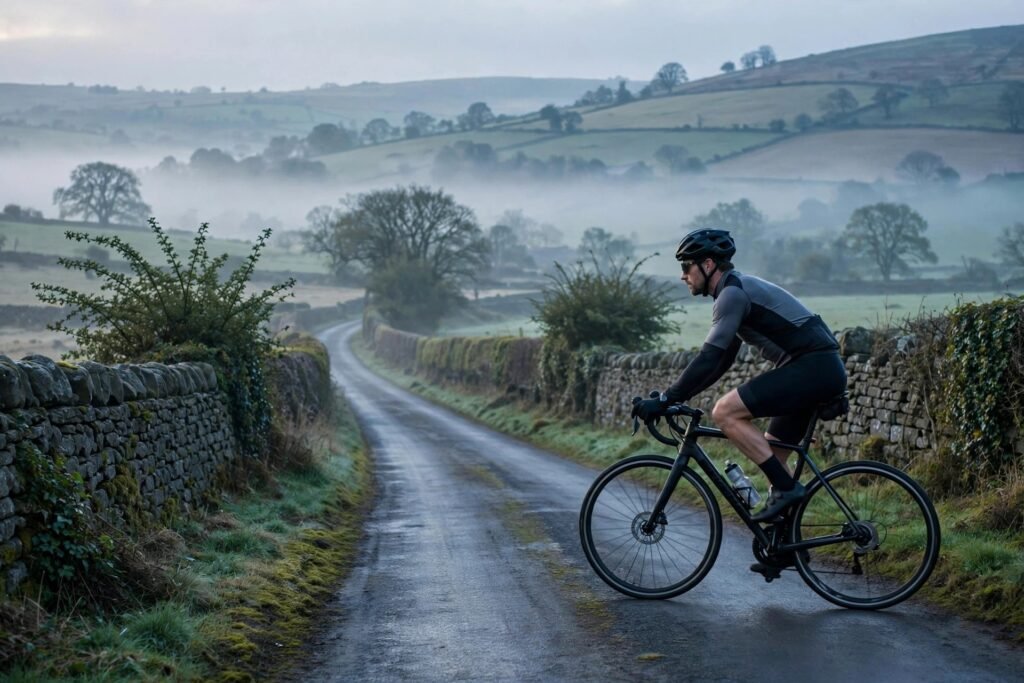
Entering a long ride is the easy part; the entry form takes five minutes. The harder question is what happens between now and the start line, and how many weeks of steady riding your body actually needs before the distance stops feeling daunting.
The answer depends on where you are starting from, but the shape of the preparation is the same for almost everyone: build gradually, practise the details, and arrive rested. It also helps to think like a beginner in any physical skill, because structured practice blocks, repeated patiently, are how improvement happens — the same patience described in advice on improving your golf swing as a beginner applies just as well to legs and lungs. What follows breaks the build-up into clear stages, starting from the event date and working backwards.
Step One: Work Backwards From the Event Date
Start with the calendar, not with the bike. Mark the event date, then count backwards to find the point by which your longest ride should be done, the weeks when the hardest work belongs, and the easier final stretch when freshness matters more than fitness. Working backwards turns a vague intention to get fit into a sequence with somewhere for everything to go, and it stops the common mistake of cramming the longest rides into the final fortnight, when they do more harm than good.
Be honest about the starting point. A rider already comfortable over a moderate distance on a weekend morning needs a shorter build than someone returning after years away from the saddle, and pretending otherwise only stores up trouble. Look at what you can repeat comfortably now, not what you managed one glorious day last summer. The event distance will feel very different at the end of a long day than it does in the first fresh hour, so the plan has to grow your durability, not just your enthusiasm.
Share the plan with the people around you, because the long weekend rides need protecting in the diary like any other commitment. Note the immovable obstacles too — work trips, family events, holidays — and treat the weeks containing them as lighter by design rather than as failures. A plan that bends around real life survives; a perfect plan that assumes empty weekends usually collapses by the second month, taking motivation down with it.
Step Two: Build the Base Miles Slowly
Base miles are the unglamorous foundation: steady riding at a pace where conversation is still possible, repeated often enough that your body adapts to spending time in the saddle. Increase the load gently, adding a little to the long ride and keeping the shorter rides regular, rather than leaping to heroic distances and then needing days to recover. Consistency across ordinary weeks builds more endurance than occasional epics followed by exhaustion, and it also toughens the contact points — hands, feet and saddle area — that so often limit beginners before their legs do.
Variety keeps the base honest. Ride different routes so that wind, surfaces and gradients all feature, and include the kind of terrain the event will throw at you, in smaller doses at first. If the event route is hilly, flat miles alone will leave you unprepared for the climbing; if it is exposed and windy, sheltered lanes will not teach you to pace into a headwind. Matching training conditions loosely to event conditions is common sense, not sports science, and it pays off quietly on the day.
Rest belongs in the base phase just as much as riding does. Easier weeks after harder ones let the body absorb the work, and sleep, ordinary food and rest days are the machinery of adaptation. Feeling tired for a day after a long ride is normal; feeling tired for a week is information. Listen to it, trim the next ride, and keep the sequence moving. The riders who reach the start line healthy are rarely the ones who did the most — they are the ones who did enough, steadily, without breaking themselves on the way.
Step Three: Add One Longer Ride Each Week
If one session each week matters most, it is the long ride. Lengthen it gradually across the build so that, well before the event, you have covered a substantial share of the full distance in one outing and learned how your body responds late in a ride. That knowledge is the real prize: when your shoulders ache, when your pace fades, when you need to eat, and how your mood dips and recovers. None of it can be learned from shorter rides, however brisk they feel.
Use the long ride as a rehearsal in everything except name. Start at the time of day the event will start, eat the breakfast you plan to eat, and ride at the effort you honestly intend to hold. Practise riding in a small group if the event will bunch riders together, holding a line, signalling hazards and taking turns into the wind — or, if you prefer your own company, practise being content alone with your thoughts for hours, because that is a skill too.
Protect this ride in the week. If work or family swallows a shorter session, let it go without guilt, but try not to miss the long one twice in a row, because its steady progression carries the whole plan. Afterwards, eat properly, note what worked and what did not while it is fresh, and resist the urge to celebrate with another hard ride the next day. The long ride teaches patience as much as fitness, and patience, held over months, is what turns a daunting distance into a familiar one.
Step Four: Practise Eating and Drinking on the Bike
More events are undone by eating and drinking badly than by weak legs. On a long ride the body burns through its stored energy, and the riders who fade dramatically late in the day have usually simply run low on fuel. The remedy is unglamorous: eat small amounts regularly from early in the ride rather than waiting for hunger, because hunger on a bike arrives after the problem has already started. Practise this on training rides until reaching for food on the move feels automatic.
What you eat matters less than that it suits you. Ordinary food — sandwiches, bananas, malt loaf, flapjack — sustains many riders perfectly well, while manufactured bars and gels offer convenience that some stomachs love and others firmly reject. The only way to know is to test your choices over long rides in training, in the quantities the event will demand. Never experiment on event day itself; the start line of a cycling event is a poor place to discover that a new gel disagrees with you at hour four.
Drinking deserves the same rehearsal. Sip steadily rather than gulping at stops, carry enough to reach the next reliable refill point, and learn how much more you need on warm or windy days. On very long, hot efforts, salty food or electrolyte drinks help many riders, but again, familiarity beats theory. By the final weeks, your fuelling should be a settled routine you barely think about, practised so often that event day asks nothing new of your stomach at all.
Step Five: Rehearse the Kit and the Route
Rehearsal extends beyond your legs to everything you will wear, carry and ride. The old rule — nothing new on event day — exists because small discomforts become large ones over hours. Shorts, shoes, gloves and jersey should all have survived at least one long ride without complaint, and the bike itself deserves a proper check well in advance: worn brake pads, a stretched chain and tired tyres are all easy to sort with notice and miserable to discover with none.
Carry the means to fix the common problems. Spare inner tubes, a pump, tyre levers and a small multi-tool cover most roadside dramas, provided you have actually practised using them in the calm of home rather than first attempting a tube change, cold and tired, in a lane. A route downloaded or noted in advance, a charged phone, and some way of paying for a rescue coffee or a train home complete a modest kit that weighs little and reassures a lot.
Study the route itself with the same care. Know where the climbs sit, where feed stations are placed, and which stretches are exposed if the weather turns. Break the whole into named segments in your mind, so that on the day you are always riding to the next landmark rather than contemplating the entire distance at once. Training your attention this way is as much a part of preparation as any ride: the event becomes a series of manageable pieces, each one already familiar before you reach it.
Step Six: Taper Into the Final Fortnight
The final fortnight reverses the logic of the build. Volume comes down, the rides get shorter and easier, and the work that remains is mostly about arriving fresh: short outings with brief sharper efforts to keep the legs awake, plenty of sleep, and ordinary meals eaten without last-minute dietary adventures. Fitness gained over months does not evaporate in a fortnight of gentleness; fatigue, given the chance, does. Riders who panic and squeeze in one last huge ride usually arrive carrying exactly the tiredness the taper was meant to shed.
Use the quieter days for logistics. Confirm your entry and start time, plan the journey to the start with slack to spare, and lay out kit the night before rather than hunting for gloves at dawn. Check the forecast and adjust layers accordingly, dressing for the coldest likely hour rather than the warmest. Eat a familiar breakfast in good time, arrive early enough to visit the facilities without queuing anxiety, and warm up with a gentle spin rather than a heroic surge to the start line.
Finally, settle how you will ride the day itself. Settle on a pacing intention — start easier than feels necessary, because the early miles of an event, full of fresh legs and other people’s enthusiasm, flatter everyone into going too hard. Save something for the final stretch, eat before you are hungry, and let faster groups go without chasing. The reward for months of steady preparation is a day you can actually enjoy: tired at the finish, certainly, but the good tired of a plan that worked.