
How to Read a Home Survey Report as a Complete Beginner
How to start reading a home survey report as a complete beginner: the three survey levels, traffic-light ratings, findings that matter and negotiation tips.
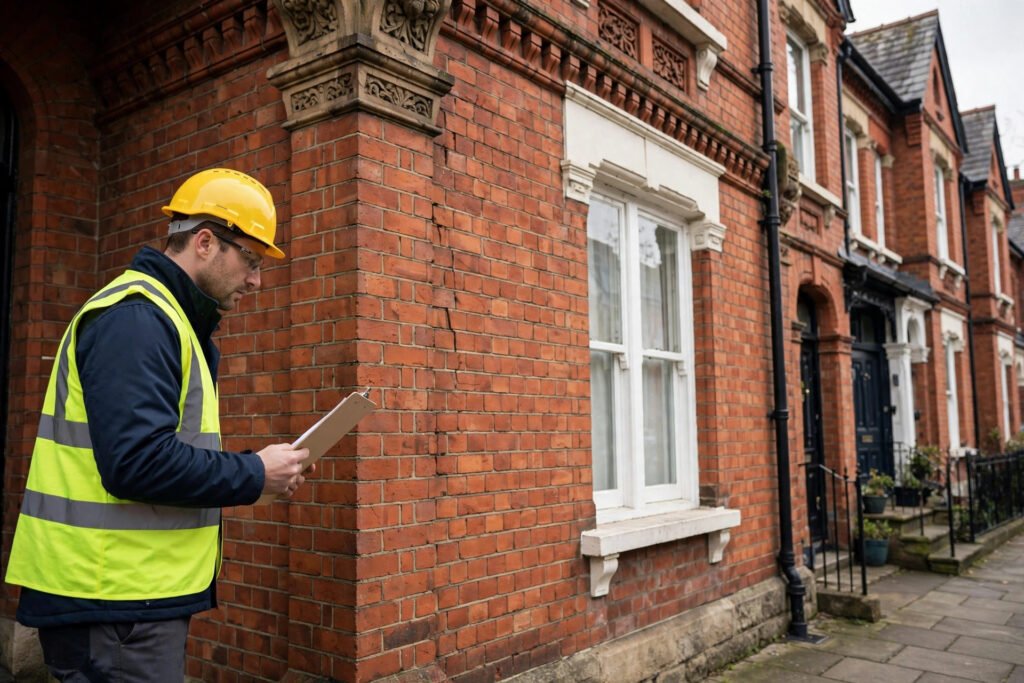
Buying a home involves reading a document most people have never been taught to read. The report arrives as dozens of pages filled with ratings, colour codes and technical terms, and the natural response is either alarm at everything or dismissal of the whole thing. Both responses waste the document’s value. Read properly, it sorts a house into three piles: things that are normal for its age, things that need a quote, and things that genuinely change what the house is worth. One careful evening with the report, a pencil and a willingness to look up the terms, can save a buyer from a costly mistake — or from abandoning a sound home over a misunderstood phrase.
A survey report is only useful if you can read it, and most first time buyers cannot, through no fault of their own. Nobody teaches this skill, yet the document decides whether you renegotiate, walk away, or proceed with confidence. Damp is the finding buyers misunderstand most, and it is also the problem that follows people home long after the purchase, which is why it helps to understand damp in a bedroom and how to clear it for good before you sit down with the report. The steps below take you through the document in order, from choosing the right level to making the final call.
Step One: Choose the Right Level of Survey
Three tiers exist, and picking the wrong one squanders money either way. The lightest tier is a condition report: a look-over by eye with colour coded ratings and no in-depth guidance, suited to a present day home in sound shape. It shows you the general state of the place, and not much beyond that. For a freshly built home or a recent property showing no visible trouble, that is frequently sufficient.
The middle tier is the homebuyer report, and it is the pick most buyers make. It adds a closer look by eye, guidance on fixes, and a valuation, which suits standard homes in decent shape. When you are purchasing an everyday house that appears solid, this is the tier most purchasers settle on, and it covers the ground that counts without reaching further than you require.
The full building survey goes deepest: a painstaking structural examination, close analysis of faults, and options for putting them right. It is vital for period homes, listed buildings, houses lined up for major refurbishment, or anything already showing trouble. A light report on a Victorian terrace can overlook serious structural shifting, while a full survey on a newly built flat squanders a hefty fee. When you hesitate between the middle tier and the full one on an older home, go for the full one. The additional fee is modest beside the price of the house.
Step Two: Read the Traffic Lights Properly
Present day survey reports grade every part of the house with a colour. Green signals nothing needs fixing. Amber signals a fault that needs fixing yet is neither pressing nor grave. Red signals a grave fault needing prompt attention. The colours offer a summary rather than the full picture, and newcomers read them wrongly in either direction: overlooking ambers that silently turn into reds, or viewing each red as grounds to walk away from the purchase.
The knack lies in separating state from consequence. A red mark for a roof covering approaching the end of its working life on an older home reflects ordinary wear with a familiar remedy, and it belongs in your offer price rather than in your worries. A red mark for signs of continuing structural shifting is another matter altogether. The surveyor’s written remarks carry the real weight here, so study them end to end instead of glancing at the colours by themselves.
Pay attention to the surveyor’s choice of words. Terms such as monitor, historic, typical for the age of the property and no sign of worsening all carry real meaning, showing that something has been observed, assessed and judged steady. When anything stays unclear, ring the surveyor. Most offer a brief follow-up chat once the report lands, and a short phone call settles what an hour of worried searching on the internet never can.
Step Three: Spot the Findings That Matter
Damp tops the list of grave findings, and it is the one purchasers most frequently get wrong. Condensation is a matter of daily living, put right with airflow and heating routines. Penetrating damp arrives from outdoors, through crumbling pointing or damaged gutters. Rising damp is frequently wrongly identified, and true cases call for correct treatment. Ask the surveyor which variety you face and what the remedy entails, because the three varieties demand very different responses.
Movement and subsidence call for the same close reading. Old shifting that shows no sign of getting worse turns up often in period homes and is generally acceptable, though you should check that buildings cover can be arranged. Live, continuing movement is grave, costly to put right, and the finding that best supports walking away. Roofs follow the same pattern: worn coverings are ordinary and can be priced in, while dipping timbers or walls pushing outward are structural troubles that alter what the house is worth.
Outdated fuse boxes and worn-out boilers crop up in the reports of most period homes. Neither ought to kill a purchase, yet both ought to move the price, because replacements carry a genuine cost. Japanese knotweed close to the house can decide whether a lender agrees to finance it, and it calls for a management plan. Asbestos, frequent in homes put up before the century turned, stays harmless while left alone, so seek a specialist estimate instead of panicking at the mere word.
One more habit will save you grief: read the report twice, once quickly and once slowly. The first read gives you the shape of the house and the overall tone. The second read, with a pencil, is where you catch the sentence buried in the middle of a long paragraph that changes the meaning of a red rating. Surveyors write carefully, and the qualifying phrase at the end of a sentence is often the most important part. A finding that reads as alarming in the summary can read as routine once the full paragraph is understood, and the reverse is true as well.
Step Four: Turn Findings Into Negotiation
A survey hands you more than facts. It hands you bargaining power, and the professional way to deploy it is calmly. Collect builder estimates for each fault marked red, total the vital repairs, and lay the evidence before the seller instead of feelings. A plain account of the work required, with estimates attached, holds far greater sway than a woolly request for a cheaper price.
Stay fair-minded about it. Faults in a home that has stood for a hundred years come as no surprise, and insisting on a flawless home at a cut price can wreck a purchase that ought to complete. Aim at true faults that touch worth, safety or the ability to secure a mortgage, rather than surface wear. A marked wall or an old-fashioned kitchen is no basis for bargaining. A roof approaching the end of its working life, heavy damp or a boiler on its last legs certainly is.
Settle your walk-away lines before talks begin. Live subsidence, heavy knotweed with no management plan, or a repair bill that swallows a big slice of the price all give fair grounds to pull out. Fixing those lines beforehand keeps you from sliding into a purchase you would later regret, and it lends you the nerve to bargain firmly, since you know precisely where you will draw the line.
Step Five: Know What Surveys Do Not Cover
Surveys rely on sight alone and stay non invasive, which places firm limits on what they can reveal. The surveyor will not raise floorboards, shift weighty furniture or test services past simple operation. Spots the surveyor could not reach stay uncovered, and you should request separate checks on those when they count. Whether alterations were lawful falls to your conveyancer, not to the surveyor.
Drainage is usually excluded unless you commission it specifically, and that gap can be expensive. Collapsed drains are a nasty surprise nobody wants, so for an older property a separate drain survey is money well spent. The valuation in the report also reflects the market on the valuation date alone, not where prices might go next, so treat it as a snapshot rather than a forecast.
Understanding these limits protects you twice over. It stops you from assuming the survey has covered things it has not, and it stops you from blaming the surveyor for missing something the survey was never designed to find. Read the exclusions page as carefully as the findings, and commission the extra checks that your particular house actually needs.
It is also worth asking the surveyor directly about anything that was not accessible on the day. A locked loft, a room full of the seller’s belongings, a flat roof hidden behind a parapet: all of these are common, and all of them leave gaps in the report. The surveyor can tell you whether the gap matters and what a follow up visit would cost. That conversation is part of the service you have already paid for, so use it rather than guessing.
Step Six: Making the Call Without Regret
With the report read, the quotes in hand and the limits understood, the decision itself is usually clearer than buyers expect. Proceed when the findings are routine for the age of the house, the repair costs are proportionate, and the price reflects what the survey found. Renegotiate when genuine defects justify it, with evidence in hand and a reasonable figure in mind.
Pull out once the findings pass your lines: live movement, a repair bill that overshadows the worth of the bargain, or a snag that leaves the house impossible to mortgage. Stepping back before exchange loses you the survey fee plus whatever legal costs have built up, which stings, yet it costs far less than a poor purchase. An adverse survey ranks among the most frequent and most respectable grounds for withdrawing, and nobody involved will judge you for it.
Lastly, hold on to the report. It is the wisest spend of the entire purchase, because it is the sole expert view in the whole process tasked with uncovering faults instead of selling you a dream. Store it alongside your other purchase papers, deal with the amber items during your first year, and let what it found steer your price instead of your nerves. A home purchased with eyes wide open is a home you can settle into gladly.


