
Insulating Your Home Cheaply: Start Now or Wait? Honest Guide
Britain has some of Europe’s oldest, leakiest housing stock, and every winter millions of pounds of heating escape through uninsulated lofts, walls and floors. Insulation is the least glamorous home improvement imaginable, invisible, unsexy, never photographed for Instagram, and also one of the highest-return investments a household can make. The timing question, now or later, has a clear answer once you see the numbers: every winter you wait is a winter of bills paid for heat you never felt.
This article ranks the cheap insulation measures by payback, covers the grants and schemes that cut costs, and explains why “waiting for the right time” is the most expensive option.
Why Now Beats Later: The Arithmetic of Waiting
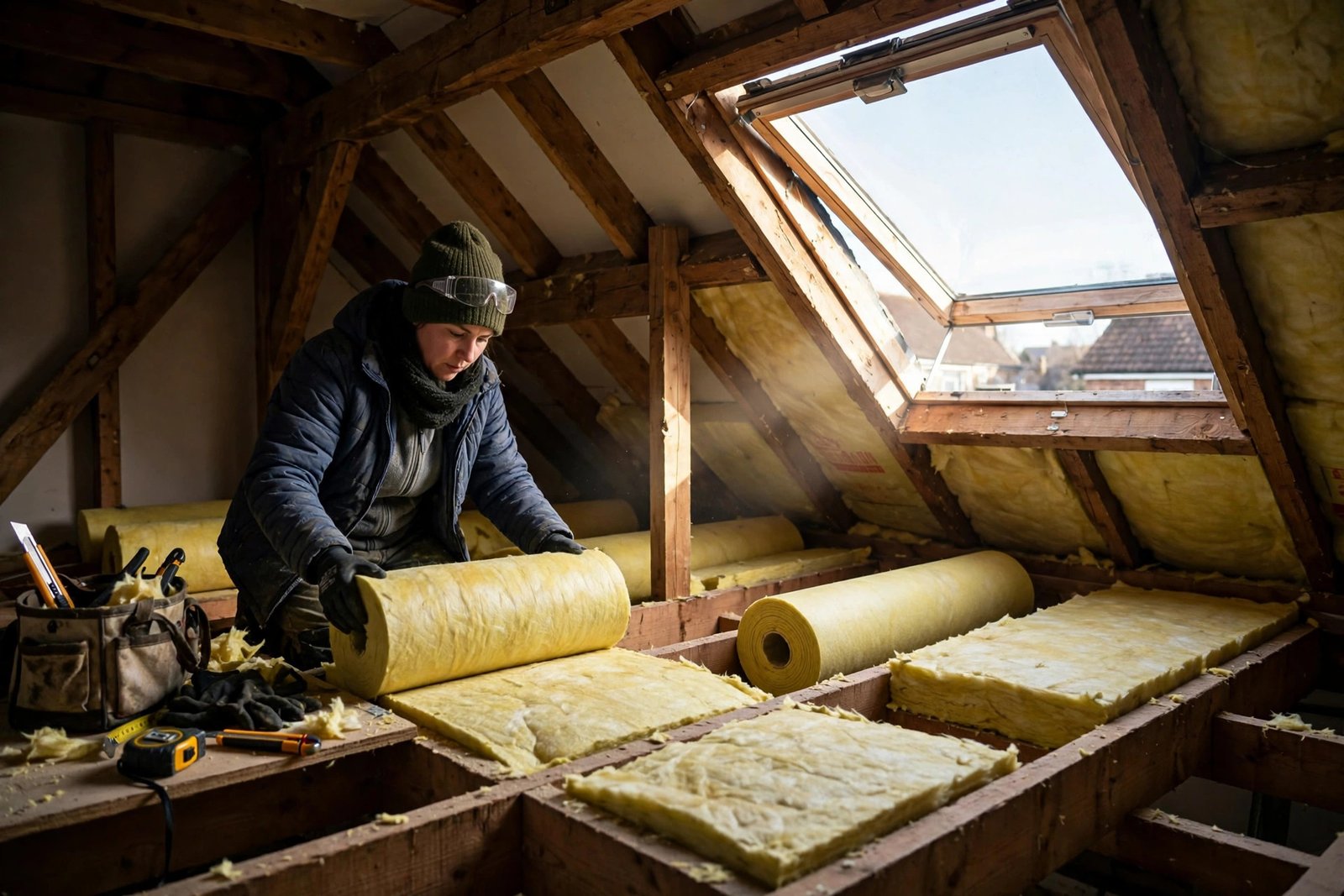
Insulation pays back in two ways: lower bills every year and a warmer home immediately. A typical uninsulated loft loses around a quarter of a home’s heat; insulating it to the recommended 270mm costs £300-600 DIY or £400-800 professionally and saves £200-300+ yearly on bills, paying back in two to three years. Every year of delay therefore costs the saving you would have banked. Waiting for energy prices to fall before insulating is backwards: high prices make the payback faster, not slower.
There is also the comfort dividend, which the spreadsheets miss. Insulated homes are warmer at the same thermostat setting, with fewer cold spots and less condensation, which means less mould, better sleep and fewer winter illnesses. Draught-proofing old sash windows is the classic companion measure, and tackling window condensation often resolves itself once insulation and ventilation are balanced. The Energy Saving Trust’s insulation guidance puts numbers on each measure, and gov.uk’s energy-grant pages list current support schemes.
The Cheap Measures, Ranked by Payback
One: loft insulation top-up. If your loft has less than 270mm, adding rolls (£5-8 per roll covering ~8m²) is the cheapest major saving in the home; a DIY weekend job for most. Two: draught-proofing. Brush strips, sealant and chimney balloons (£50-150 total) tackle the gaps around doors, windows, letterboxes and fireplaces that account for surprising heat loss. Three: hot-water cylinder jacket (£20-30), paying back within months for older cylinders.
Four: radiator reflector panels behind radiators on external walls (£20-40), modest but real gains. Five: thick curtains and thermal blinds, especially for single-glazed windows, with heavy secondhand curtains (£20-50) performing nearly as well as new thermal ones. Six: floor insulation for suspended timber floors (£100-200 DIY with mineral wool between joists), the draughtiest surface in many Victorian homes. Total for the full cheap package: £200-500, with combined annual savings often exceeding £400. Nothing else in home economics pays like it.
Grants and Schemes: Cutting the Cost Further
Before paying full price, check what you need not pay at all. The UK’s energy-company obligation schemes fund insulation for eligible households, particularly those on benefits or with low EPC ratings; the Great British Insulation Scheme targets exactly the cheap measures above. Local authority schemes vary but often cover loft and cavity-wall insulation free for qualifying homes. The application process takes weeks, not months, and the worst outcome is finding you do not qualify, at which point the DIY costs above still pay back handsomely.
Cavity-wall insulation (£500-1,500) sits above the “cheap” threshold but is often part-funded; solid-wall insulation (£7,000-15,000) is the expensive end and rarely cheap, but internal wall insulation on a single cold wall can be a targeted compromise. Get three quotes, check TrustMark accreditation, and never sign with a cold-caller. The grants exist because insulation is the rare climate action that is also unambiguously profitable; take the free money first.
The Measures to Skip (for Now)
Not every insulation product earns its price. Reflective radiator paint and magnetic “insulation” paints have negligible evidence behind them. Expensive smart thermostats save less than the marketing claims unless your schedule is highly variable; a £15 programmable timer often does the same job. And double glazing, while excellent, is a £3,000-7,000 investment with a decades-long payback as an insulation measure alone; do it for comfort, noise and value, not quick savings.
The other thing to skip is perfectionism. You do not need the whole house done to feel the difference; the loft and the draughts deliver most of the gain. Start with the weekend jobs, measure the difference in comfort and bills, and let the results fund the next steps. Insulation is one of the few home improvements where doing half still gets you most of the benefit.
The Rented Home: Insulating Without Permission
Renters, who occupy some of Britain’s leakiest homes, often assume insulation is the landlord’s business. Some of it is, legally, but much of the cheap tier needs no permission at all. Draught-proofing with removable strips, thick curtains (yours to take when you leave), chimney balloons, radiator reflectors, hot-water cylinder jackets where accessible, and door snake draught excluders: none alter the property, all cut bills from day one. Total spend under £150, all portable.
For the bigger measures, ask. Landlords increasingly recognise that insulated properties attract and retain tenants, and grant schemes sometimes cover rented homes with tenant consent. Put the request in writing, cite the EPC rating, and propose the specific measure; the worst answer is no, and the portable measures keep you warm regardless. Renters who insulate portably also build the knowledge for their future owned home, where the same skills apply at larger scale. Cold should not be a tenure lottery.
Ventilation: The Partner Nobody Mentions
Insulation without ventilation causes condensation and mould, the classic beginner error of sealing a house tight and then wondering why the walls weep. The rule: insulate, then ventilate deliberately. Extractor fans in kitchens and bathrooms (used properly, not switched off), trickle vents on windows, and airing the house briefly each day move moist air out before it condenses on cold surfaces.
This is particularly important in older homes where previous generations relied on draughts for ventilation. The modern approach is controlled ventilation: seal the uncontrolled gaps, then provide deliberate airflow where needed. A £20 humidity monitor tells you whether you have the balance right; sustained readings above 60% mean more ventilation needed. Warm, dry air is cheap to heat; cold, damp air is expensive and unhealthy. Get both halves right and the house transforms.
Conclusion
Now is the right time to insulate your home cheaply, because every waiting winter costs you the savings, and the cheap measures, loft top-up, draught-proofing, cylinder jackets, pay back within one to three years. Check the grants first, do the weekend DIY jobs, ventilate properly, and skip the gimmicks. Invisible, unglamorous, and the best return on a few hundred pounds available to any UK household.
Frequently Asked Questions
What is the cheapest effective insulation measure?
Topping up loft insulation to 270mm: £300-600 DIY, saving £200-300+ yearly. Draught-proofing (£50-150) is the next best cheap win.
Are there free insulation schemes in the UK?
Yes, for eligible households: the Great British Insulation Scheme and energy-company obligations fund loft and cavity-wall insulation, particularly for low-income or low-EPC homes. Check gov.uk for current criteria.
Will insulation cause damp?
Only if ventilation is ignored. Insulate first, then ensure deliberate ventilation (extractor fans, trickle vents, daily airing). A humidity monitor (£20) keeps the balance right.
How long does loft insulation take to pay back?
Typically two to three years at current energy prices, faster if prices rise. It is among the quickest paybacks in home improvement.