
Passing Your First MOT: How Long Before You See Real Results?
Passing your first MOT can feel like sitting an exam you never revised for. You hand over the keys, disappear into a waiting room that smells faintly of coffee and tyre rubber, and wonder what is happening to your car on the other side of the glass. If you are asking how long the whole thing takes — and when you actually “see results” in any meaningful sense — you are not alone. Here is the honest timeline, from booking the test to the moment the pass certificate genuinely matters.
What the Test Itself Takes on the Day
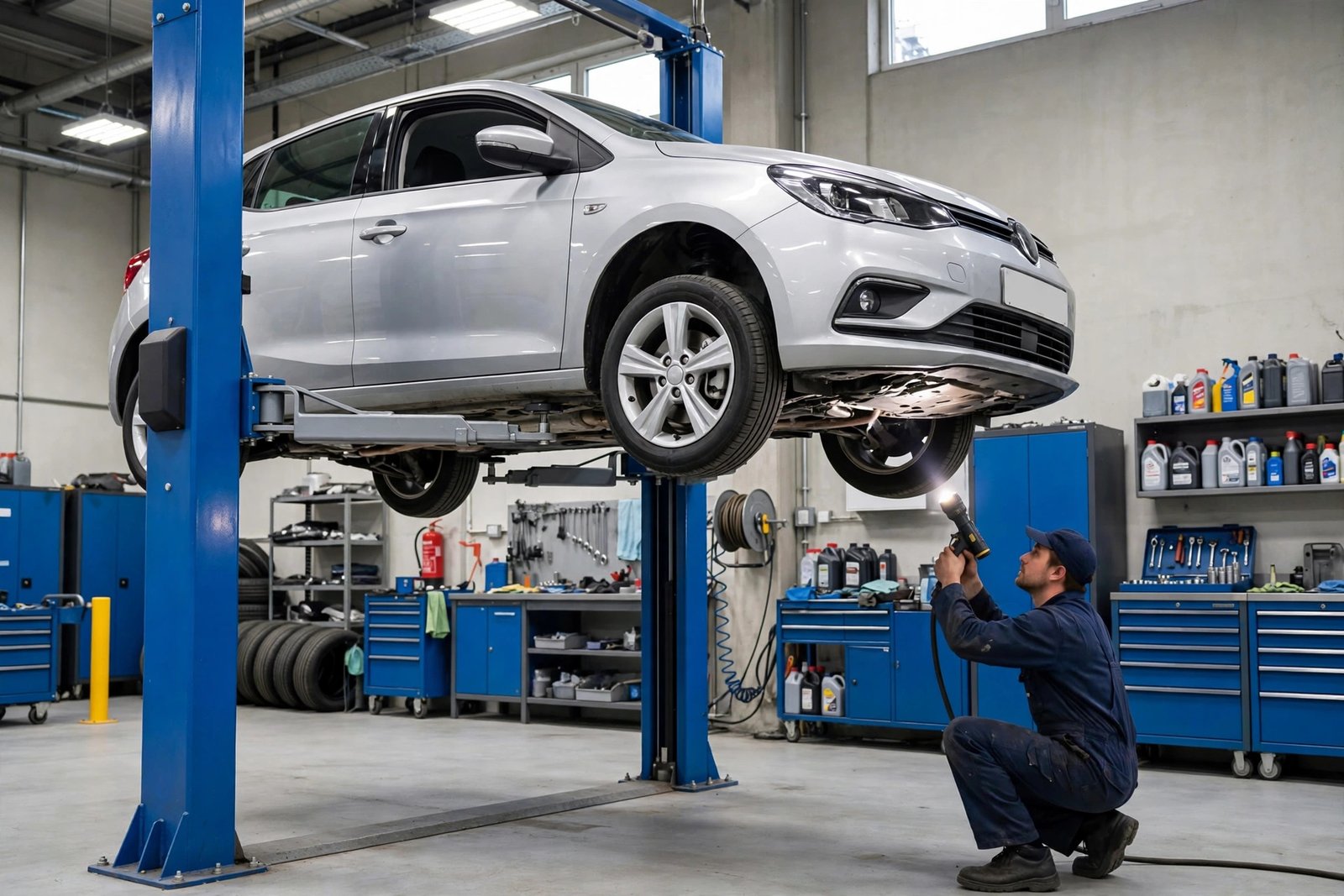
The MOT inspection itself usually takes between 45 minutes and an hour. That is the physical examination: a trained tester working through a set checklist of brakes, steering, suspension, lights, tyres, emissions, seatbelts, mirrors, the windscreen and the general body condition. Most test centres will quote you an hour door-to-door, which includes the paperwork and a quick chat about anything flagged.
You do not need to stay in the building the whole time. Many garages will take your keys and call you when the car is done, which means the “time cost” to you can be as little as two short journeys. If the centre runs a while-you-wait service, budget around 60 to 90 minutes with a coffee in hand.
How Long Before You Get Booked In
This is where first-timers get caught out. The test itself is quick, but the lead time to get a slot is not. At busy periods — the end of the month, just before Christmas, and the autumn rush when the six-month pandemic-era MOT extensions from years back still echo through the system — popular garages can be booked up one to three weeks ahead.
That is why the official MOT guidance on GOV.UK lets you take the test up to a month (minus a day) before your current certificate expires while preserving your renewal date. Book early and the “wait” becomes invisible: the slot arrives, the test takes an hour, and you never drive illegally.
Why first-time owners wait longer
If you have just bought your first car — a three-year-old supermini, say — the first MOT at the car’s third birthday often comes as a surprise. New owners who have never booked one tend to ring round at the last minute, discover a two-week queue, and then panic. The fix is simple: the moment you buy the car, check the MOT history service on GOV.UK for its test date and put a reminder in your phone six weeks ahead.
When You Actually See Results That Matter
This is the heart of your question. The pass/fail verdict arrives the same day — there is no waiting for lab results. But the real results, the ones that change your life, land on a longer timeline:
Day one: the legal result
The moment the tester signs off, your car is legal to drive for another twelve months (or thirteen, if you tested early and kept your date). That is the immediate, tangible payoff: no £1,000 fine risk, no invalidated insurance, no anxious glances in the rear-view mirror.
Week one: the financial result
A clean first-time pass — no advisories — is a quiet money-saver. It means no repair bill, and it feeds directly into your car’s resale story. Dealers and private buyers both check MOT history, and a car that has passed first time, every time, commands a small but real premium. If you are comparing the ongoing costs of running a car against other transport options, our guide to using Oyster versus contactless in London shows how the numbers stack up for city drivers.
Month three: the maintenance result
The advisories sheet is the part most first-timers ignore — and it is the most valuable bit of paper in the whole process. Advisories are the tester’s forecast: tyres legal today but near the limit, brake pads with a few thousand miles left, a corroded exhaust section that will fail next year. Act on them within a few months and you turn next year’s test from a gamble into a formality.
What a First-Time Pass Rate Really Looks Like
Around four in ten cars fail their MOT on the first attempt nationally, and the figure is worse for cars whose owners never do basic checks. The most common failures are embarrassingly cheap: a blown bulb, worn wipers, under-inflated tyres, an empty screenwash bottle. A ten-minute walkaround the night before — lights on, wipers flicked, tyres eyeballed — genuinely shifts the odds in your favour.
If you drive regularly, a dash cam for UK drivers will not help you pass the test, but it does help you prove what happened on the road in the weeks after it — useful context for a new owner still learning their car’s quirks.
The Re-test Clock: What Failure Costs You in Time
Fail, and the timeline stretches. You get a refusal notice listing each defect as dangerous, major or minor. The garage can usually re-test the same day or the next if they do the repairs, and a partial re-test is free if you leave the car with them and they fix it within ten working days. Take the car away and bring it back, and you pay again — another booking, another wait, another hour.
Dangerous defects mean you cannot legally drive the car away at all. That is the scenario where “how long” becomes “how long until the garage can fit the repair in,” which in busy months can mean days without your car. A first-time pass is not just a certificate; it is the difference between an hour and a week.
What your MOT certificate unlocks beyond legality
A fresh pass certificate also smooths the admin that surrounds car ownership. Insurers price risk partly on vehicle condition signals, and some will ask for MOT details at renewal; a clean, in-date certificate means no awkward conversations. It also keeps finance and lease agreements in good standing, since most contracts require the car to be road-legal at all times. Even selling privately becomes easier: buyers routinely ask for the certificate number so they can verify it themselves online, and handing it over without hesitation builds instant trust. In short, the hour you spend at the test centre pays dividends across insurance, finance and resale for the full twelve months that follow.
Conclusion
So: the inspection itself takes under an hour, booking lead time is one to three weeks if you leave it late, and the verdict lands the same day. But the results that actually matter — legal driving, a clean MOT history that protects your car’s value, and an advisory list that tells you exactly what to fix before next year — unfold over the weeks and months after. Book six weeks early, do the ten-minute walkaround, and treat the advisories as a to-do list. Do that, and your first MOT becomes the easiest exam you will ever sit.
Frequently Asked Questions
How long does an MOT test take at the garage?
Between 45 minutes and an hour for the inspection itself. Allow around 60 to 90 minutes door-to-door including paperwork.
How early can I book my first MOT?
You can book any time, but for a car you already own you can take the test up to a month (minus a day) before expiry and keep the same renewal date for next year.
Will I find out the result on the same day?
Yes. The tester tells you immediately, gives you a VT20 pass certificate or a VT30 refusal notice, and the result appears on the GOV.UK MOT history service, usually within hours.
Does a first-time pass make my car worth more?
Indirectly, yes. Buyers and dealers check MOT history, and a record of first-time passes with no advisories signals a well-kept car, which supports a stronger asking price.