
Flying Less Often: A Complete Beginner’s Guide to Starting
Aviation is the fastest way to inflate a personal carbon footprint: a single return long-haul flight can emit more than a year’s worth of driving, and frequent flyers, a small minority, produce the majority of aviation emissions. Yet flying is also woven into modern life: family abroad, the cheap city break, the work trip. Flying less does not mean never flying; it means treating flights as precious rather than casual, and discovering that the alternatives are often better, not just greener.
This complete beginner’s guide covers the mindset shift, the practical alternatives, the trips where flying genuinely wins, and how to make flight-free travel the enjoyable default.
The Mindset: Precious, Not Forbidden
The all-or-nothing framing kills more flight reduction than any airline lobby. “Never fly again” triggers resistance and usually collapses; “fly half as often and twice as well” is sustainable and, aggregated, transformative. The practical version: set a personal flight budget (e.g. one return long-haul every two years, or two European returns annually), spend it deliberately on the trips that matter most, and let the budget do the deciding for the marginal ones.
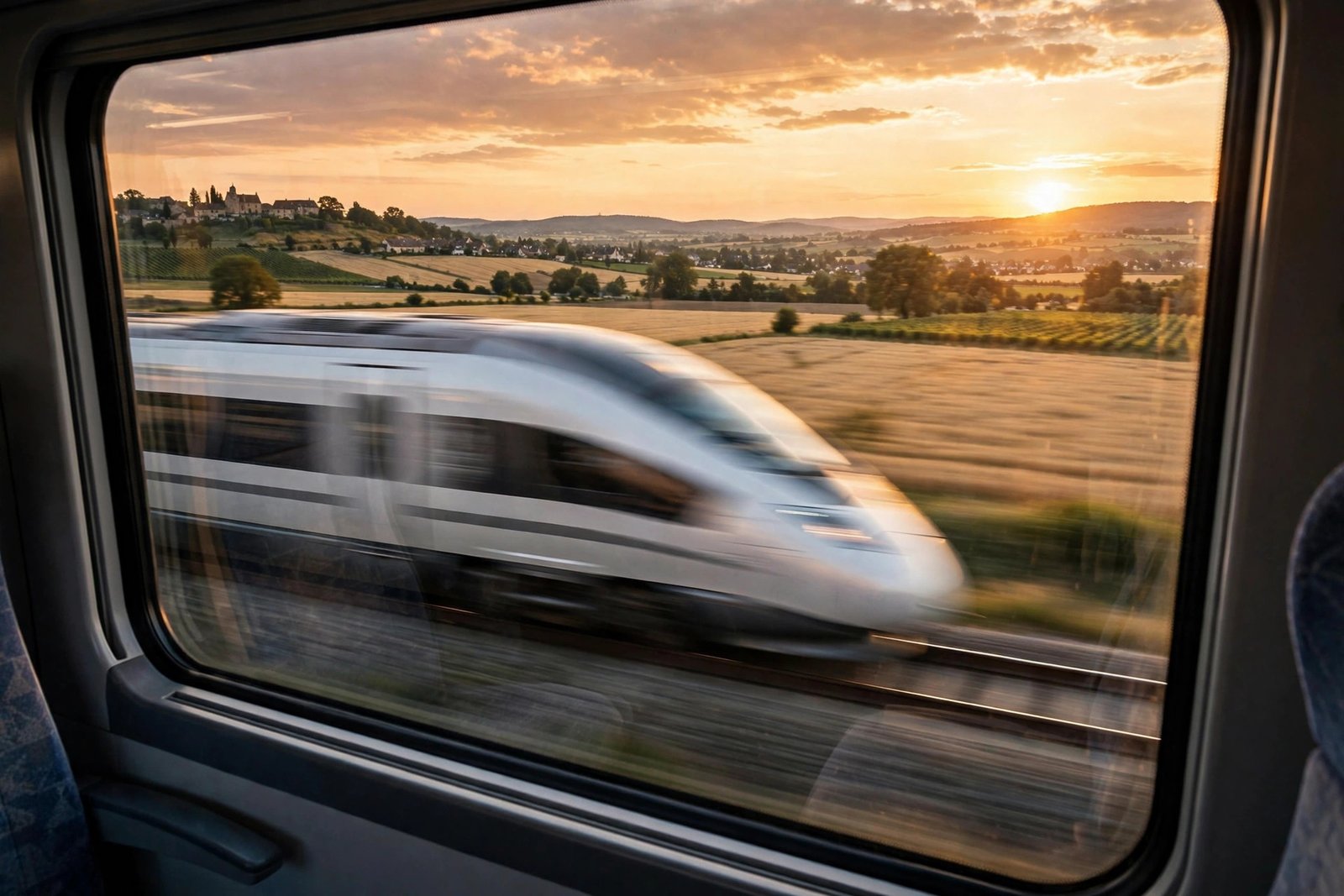
Reframe what a holiday is for. If the goal is rest, novelty, nature or culture, the flight was never the point; it was the delivery mechanism, and slower delivery often improves the goods. The train journey becomes part of the holiday rather than dead time, a shift that travellers discover quickly. Travelling Europe by train is the flagship alternative, often cheaper than assumed when booked in advance, and planning tools make multi-leg rail itineraries easier than ever.
The Alternatives, Ranked by Distance
Under 300 miles: the train almost always wins on total journey time once airport faff is counted, and usually on price booked ahead. London-Edinburgh, London-Paris, Manchester-London: no contest. 300-800 miles: trains and ferries compete well; the Eurostar network, sleeper trains (the revived European night-train renaissance is real and growing), and ferry-plus-rail combos cover most of Western Europe enjoyably.
Over 800 miles: flying often wins on practicality, and this is where the flight budget applies, spend it on the journeys that earn it. The Seat61 guide to train travel is the indispensable resource, covering routes, bookings and sleeper options worldwide with obsessive detail. For UK holidays specifically, the staycation case has never been stronger: the Northumberland coast, the Scottish Highlands, Cornwall out of season, Snowdonia, all world-class, all flight-free, all cheaper than the equivalent abroad once flights are counted.
Flying Less With Kids and Family Abroad
Two situations test the flight budget most: children and far-flung family. With kids, the good news is that surface travel is often easier than flying: no baggage restrictions, room to move, the journey as adventure rather than ordeal. The sleeper train with children is genuinely magical, and ferry crossings become part of the holiday mythology. Pack snacks, download entertainment, build in buffer time, and let the slower pace set the holiday’s tone from the start.
Family abroad is the harder case, and honesty helps: some flights are non-negotiable, for births, weddings, ageing parents. The flight budget exists precisely for these. Make them count with longer stays (two weeks instead of two long weekends halves the per-day footprint and is a better visit anyway), and balance them by cutting the casual flights ruthlessly. Video calls maintain the between-visit connection; the saved flight money funds the longer stay. Nobody reasonable expects you to miss your mother’s 70th; everybody reasonable understands skipping the stag do in Prague.
Making Flight-Free Travel Enjoyable
The secret is that slow travel is not a sacrifice but an upgrade, once reframed. The sleeper train: dinner in the dining car, bed, breakfast in a new country, no security queues, no middle seats. The ferry: the strange romance of the sea crossing, arriving rested. The road trip: the villages between the destinations, which flying skips entirely. Each mode has pleasures aviation cannot offer; the beginner’s task is discovering which ones suit them.
Practical tips: book trains early for the cheap fares (Eurostar and advance tickets reward planners, with the cheapest fares often 8-12 weeks out); pack light for multi-leg journeys; build in buffer time and treat it as holiday, not delay; and use the journey for the things flying steals, reading, looking out of windows, conversation. Rail passes (Interrail for the under-28s and the young at heart) can make multi-country trips dramatically cheaper, and split-ticketing within the UK often beats through fares. The booking learning curve is real but short; after two trips you will navigate it like a native. Families often find train travel easier than flying with children: space to move, no liquid restrictions, no baggage carousels. The first flight-free trip is the conversion experience; after it, the question reverses from “why not fly?” to “why would I?”
The Trips Where Flying Wins (Honestly)
Intellectual honesty requires admitting flying’s legitimate uses. Visiting family on other continents: the flight budget exists for this. Truly remote destinations with no surface alternative. Some work travel, though video has permanently shrunk this category. The honest approach is not denial but deliberation: fly for the trips that earn it, skip the ones that do not, and make each flight count (longer stays, direct routes, economy class).
And when you do fly, the marginal choices still matter: direct flights (takeoff and landing dominate emissions), economy over business (the space multiplier is real), and packing light. Government data on transport emissions confirms aviation’s outsized per-passenger impact, which is precisely why each avoided flight matters more than a year of diligent recycling. One skipped long-haul return can exceed everything else you do combined.
Conclusion
Starting to fly less as a complete beginner means setting a personal flight budget, discovering the train and ferry alternatives, reframing slow travel as an upgrade, and spending flights only where they earn it. The first flight-free European trip is the tipping point for most people; book it, take it, and notice how little you miss the airport. The sky will still be there for the journeys that matter, and you will enjoy those flights more for having chosen them deliberately, which is the quiet reward of the whole exercise, and worth far more than all the air miles ever combined, twice over and then some more besides all of that. The first flight-free European trip is the tipping point for most people; after that, the alternatives sell themselves. Fly half as often, twice as well, and enjoy the journeys aviation made you skip.
Frequently Asked Questions
How much CO2 does a flight emit?
A return long-haul flight emits roughly 2-4 tonnes per passenger; a short European return around 0.5-1 tonne. One long-haul return can exceed a year’s driving emissions.
Is train travel really cheaper than flying?
Often, booked in advance, especially counting airport transfers and baggage fees. Eurostar and advance rail fares reward planners; last-minute trains can be pricey.
What is a personal flight budget?
A self-imposed annual limit (e.g. one long-haul every two years) that forces deliberation about which trips earn a flight. It cuts casual flying while preserving meaningful trips.
Are sleeper trains practical in Europe?
Increasingly yes. The night-train renaissance has added routes across Europe; Seat61 covers them comprehensively. They save a hotel night and arrive rested.