
What Jobs Are Safest from AI Automation?
Every career conversation now includes the same anxious question: am I safe? With AI advancing fast, it’s sensible to ask what jobs are safest from AI automation — whether you’re choosing a career, considering a change, or just planning ahead. The good news: the pattern of what’s automatable is clear enough to plan around. Here’s an honest assessment of where the safe ground is.
The Rule of Thumb: What AI Struggles With
AI excels at pattern recognition, prediction, and generating content from data. It struggles with:
- Physical dexterity in unpredictable environments — the real world is messy; data is clean.
- Genuine human connection — empathy, trust, and emotional intelligence.
- Novel problem-solving — situations with no precedent in the training data.
- Accountability and judgement — decisions where someone must take responsibility.
- Physical presence — being there, in person, matters for many roles.
Jobs combining several of these are the safest. Jobs that are purely digital, routine, and rule-based are the most exposed.
The Safest Categories
Skilled trades
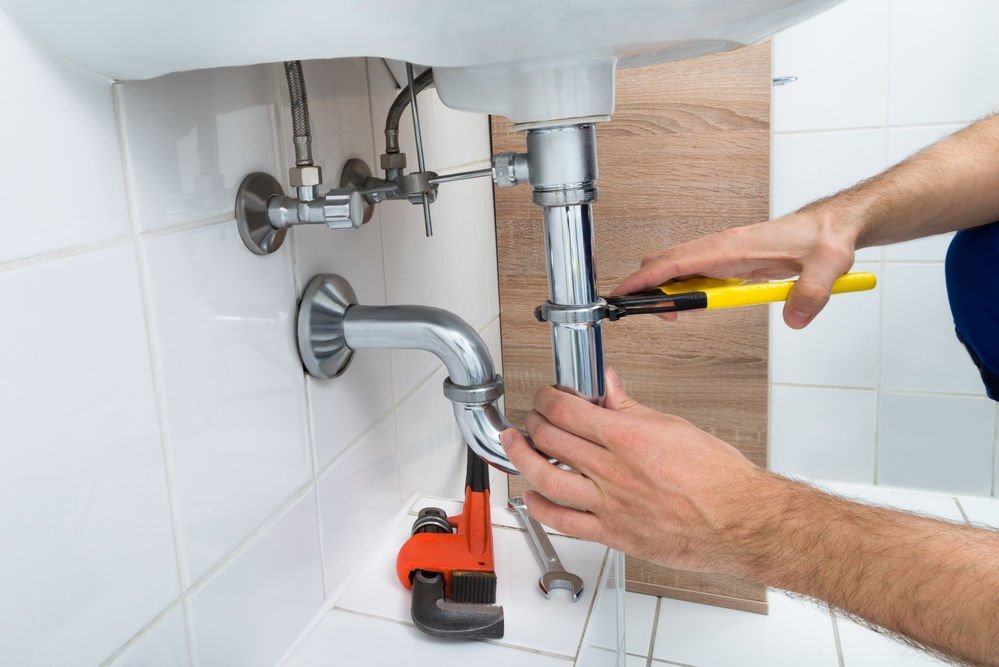
Plumbers, electricians, carpenters, mechanics, builders — the trades are among the safest jobs in the economy. Every job is different: different house, different pipes, different problem. Robots that can navigate a cluttered loft, diagnose a weird boiler fault, and reassure a worried homeowner are decades away. Add the UK’s chronic trades shortage, and these are arguably the most secure careers available. They also pay far better than their reputation suggests.
Healthcare (hands-on roles)
Nurses, midwives, physiotherapists, paramedics, carers, surgeons — healthcare combines physical skill, emotional intelligence, high-stakes judgement, and accountability. AI will assist enormously (see how AI is used in the NHS), but the human at the bedside isn’t going anywhere. An ageing population means demand keeps growing.
Education (relational roles)
Teaching is being transformed — see how teachers detect AI-written essays — but the core of teaching (mentoring, inspiring, managing a classroom of thirty humans) is deeply relational. AI tutors will supplement teachers, not replace them. Early-years education and special educational needs roles are particularly secure.
Creative leadership and strategy
Not all creative work is equally safe — commodity production is being automated — but creative direction, brand strategy, and original artistic vision remain human territory. Our analysis of AI and graphic design draws this line in detail: strategy and taste survive; routine production doesn’t.
Leadership, judgement, and accountability roles
Judges, senior managers, elected officials, regulators — roles where a human must weigh competing values, make contested decisions, and be accountable for them. AI can brief and analyse, but societies want humans making the final call on things that matter.
Human trust professions
Therapists, counsellors, social workers, clergy — roles where the relationship is the service. An AI therapist might be technically competent, but most people in crisis want a human who understands. Trust-based roles have a deep moat.
Complex physical work
Chefs (creative + physical + sensory), hairdressers (physical + relational + aesthetic judgement), emergency responders, farmers dealing with variable conditions — all combine physical skill with human judgement in ways that resist automation.
The Nuance: “Safe” Doesn’t Mean “Unchanged”
Important: even the safest jobs will change. Plumbers will use AI diagnostics; teachers will use AI tutors; nurses will work alongside AI monitoring. The pattern across every sector is AI as assistant, not replacement — and the professionals who thrive will be those who embrace the tools. Safety comes from the human core of the role, but relevance requires adapting around it.
What About Currently Exposed Roles?
If you work in data entry, basic bookkeeping, tier-one customer service, or routine content production, the honest assessment is that these roles are shrinking. But “role shrinking” isn’t “career over” — the move is up the complexity ladder. Bookkeepers become advisers (see will AI replace accountants); customer service agents move to escalations and relationship roles (see AI and customer service jobs). The direction is consistent: routine work automates, judgement work appreciates.
How to Assess Your Own Role
Generic lists are useful, but what matters is your job. Run it through this quick audit. First, break your role into tasks: what do you actually do each week? Then score each task on automatability — is it routine, digital, and rule-based (high risk), or does it involve physical unpredictability, human relationships, novel judgement, or accountability (low risk)? Most jobs are a mix. Your safety lies in the proportion — and in whether you can shift your time toward the hard-to-automate parts.
Second, ask who’d notice if your work were 20% worse. Roles where quality differences matter enormously (surgery, teaching, skilled trades) resist automation because the cost of errors is high. Roles where “good enough” suffices are more vulnerable. Third, consider the human-preference factor: even where AI could do the job, do customers want a human? People choose human therapists, human wedding photographers, and human financial advisers for reasons beyond capability.
If your audit looks worrying, the UK has concrete support: the National Careers Service offers free guidance, Skills Bootcamps provide funded retraining in shortage areas (many tech and trade adjacent), and apprenticeships aren’t just for school-leavers anymore. The workers who navigate AI disruption best aren’t those who happened to pick safe jobs — they’re those who keep learning. In that sense, the safest career strategy was never a specific job title; it’s adaptability itself. The National Careers Service offers free, impartial careers guidance across England.
The Bottom Line
The jobs safest from AI automation combine physical skill in unpredictable environments, genuine human connection, novel problem-solving, and accountability — which puts skilled trades, hands-on healthcare, relational education, creative strategy, and trust-based professions on the firmest ground. But no job is unchanged: the winning move in every field is to let AI handle the routine while you double down on the human core. Plan your career around what AI can’t do, and use what it can.
One thought on “What Jobs Are Safest from AI Automation?”