
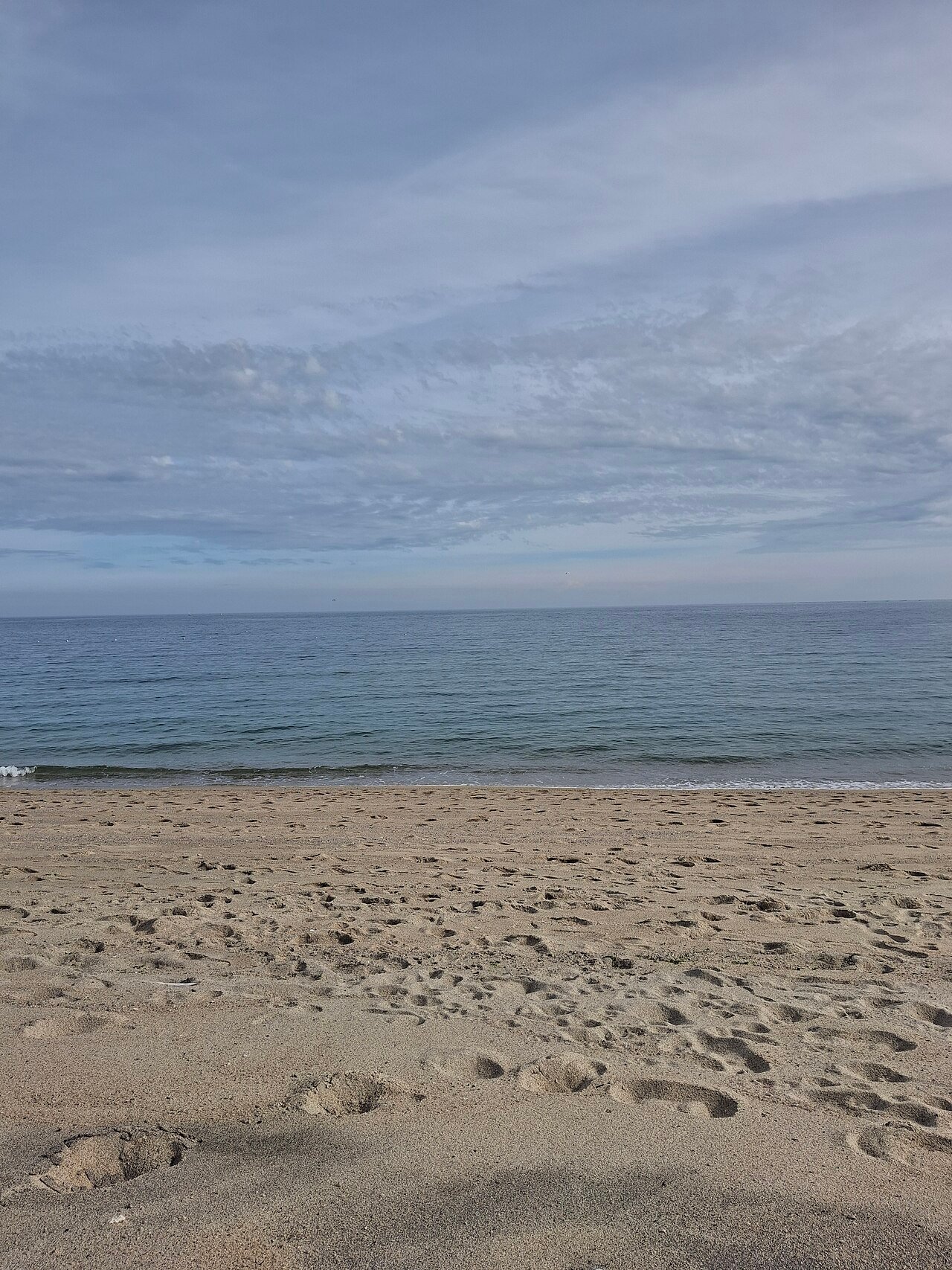
The Best Family Beaches in Cornwall: 10 Brilliant Picks
Cornwall does something to British families. It’s the light, the pasties, the feeling that you’ve gone properly away without leaving the country. But with over 400 beaches to choose from, picking the wrong one can mean a miserable day of parking nightmares and toddler-unfriendly surf. So what are the best beaches in Cornwall for families? Having spent more summers than I can count exploring them with kids in tow, here are the ones that genuinely deliver — safe swimming, easy parking, and space to breathe.
What makes a beach “family-friendly” anyway?
Before the list, let’s define the criteria, because “best beach” means different things to different families:
- Lifeguard cover (RNLI patrols in season) — non-negotiable with kids
- Gentle, shelving sand rather than steep shingle or rock
- Facilities nearby — toilets, a café, somewhere to buy the inevitable forgotten bucket
- Parking that doesn’t require a 6am start
- Shelter from the worst of the wind — Cornwall’s north coast can be bracing
The best beaches in Cornwall for families: the top picks
1. Porthmeor Beach, St Ives
The classic. Golden sand, turquoise water that genuinely looks Mediterranean on a good day, RNLI lifeguards, and St Ives itself a two-minute walk away for pasties and ice cream. It gets busy in August — arrive before 10am for parking — but the facilities are superb and the Tate St Ives is right there for a culture break when the kids hit their limit. The gentle slope into the water makes it ideal for little ones.
2. Gyllyngvase Beach, Falmouth
Gylly (as the locals call it) is the south coast’s family champion. Sheltered, Blue Flag, lifeguarded, with a brilliant café right on the sand and level access that’s pushchair-friendly. Falmouth is a proper working town rather than a tourist trap, so prices are saner and the vibe is relaxed. The water’s calmer here than the north coast — better for nervous swimmers.
3. Porthcurnick Beach, Portscatho
A locals’ secret that’s too good not to share. Small, sheltered, impossibly pretty, on the Roseland Peninsula. No lifeguards and limited facilities, so it suits families with slightly older kids — but the rock pools are the best in Cornwall, genuinely. Go at low tide with a net and a bucket and you’ll lose two hours happily.
4. Harlyn Bay, near Padstow
Wide, flat, sandy, lifeguarded, with a big car park right by the beach — Harlyn is the low-stress option. The surf here is gentler than neighbouring Constantine, making it great for first-time bodyboarders. Padstow’s food scene (yes, including Rick Stein’s fish and chips) is ten minutes away for dinner. It ticks every box on the family checklist.
5. Porthcurno Beach
Often called the most beautiful beach in Cornwall, and it’s not hype — white sand, cliffs, water so clear it doesn’t look like Britain. There’s the Minack Theatre carved into the cliff above (book the daytime tour with kids — they’ll love it). Parking is the challenge: the clifftop car park fills fast, and it’s a steep walk down. Go early, bring everything with you, and it’s magical.
6. Perranporth Beach
Three miles of flat sand at low tide — the kind of beach where kids can run for what feels like miles. Lifeguarded, great for sandcastles (the sand is perfect for building), and the village has everything you need. The Watering Hole bar right on the beach does a decent pint while the kids play. Dogs are restricted in summer, which families with small children often prefer.
7. Kennack Sands, Lizard Peninsula
Two coves, sheltered, lifeguarded in season, and on the wilder, less crowded Lizard Peninsula. It feels like a discovery even though it’s well-known. The east beach is the calmer of the two. Combine it with a trip to Lizard Point (mainland Britain’s most southerly tip) for a full day out.
North coast vs south coast: which is better for families?
The eternal Cornwall debate. North coast (Newquay, Perranporth, St Ives): bigger surf, more dramatic, better for older kids who want bodyboarding and waves. But it’s windier, the sea’s rougher, and car parks fill earlier. South coast (Falmouth, Mevagissey, Looe): calmer water, more sheltered, generally better for under-8s and nervous swimmers. My rule of thumb: under 8s go south, over 8s go north. And always check the BBC Weather surf and tide forecasts — a beach transforms completely between high and low tide.
Practical tips for beach days with kids
- Check tide times. Some beaches (Porthcurno, Porthcurnick) nearly vanish at high tide. Others (Perranporth, Harlyn) are best at low tide. The RNLI and council websites publish daily tide tables.
- Arrive before 10:30am in school holidays. Popular beach car parks fill by 11, and you’ll be parking half a mile uphill.
- Bring windbreaks. Even on sunny days, Cornwall’s breeze can make small children cold. A windbreak transforms the day.
- Respect the flags. Swim between the red-and-yellow flags where lifeguards patrol. Teach kids what the flags mean before you go — the RNLI’s website has great resources.
- Pack for four seasons. This is Cornwall. Sunshine, sea mist and a shower can all happen before lunch. Layers, waterproofs, sun cream — all of them.
If you’re making a proper holiday of it, booking accommodation with parking near your chosen beach saves enormous hassle — and if you’re flying into Newquay, the same logic applies as airport hotels.
A quick word on tides and safety
Cornwall’s beaches are beautiful and generally safe, but the Atlantic has proper surf and fast tides — treat it with respect. Check tide times before you go (some beaches vanish at high tide, and causeways like St Michael’s Mount are only crossable at low water), swim between the red-and-yellow RNLI flags where lifeguards patrol, and keep a close eye on children near rocks and estuary currents. The RNLI’s website has beach-by-beach safety info, and it’s worth five minutes of your time before a family beach day.
The practical takeaway
For young families, you can’t go wrong with Gyllyngvase or Harlyn Bay — sheltered, lifeguarded, easy parking, proper facilities. For the wow factor, Porthcurno and Porthmeor. For rock-pooling adventures, Porthcurnick at low tide. Check the tides, arrive early in August, respect the flags, and pack for every weather. Cornwall’s beaches are free, they’re spectacular, and the kids will remember these days long after they’ve forgotten the expensive attractions. And if you’re tempted to venture further afield one day, see what solo female travellers should know before visiting Morocco.