
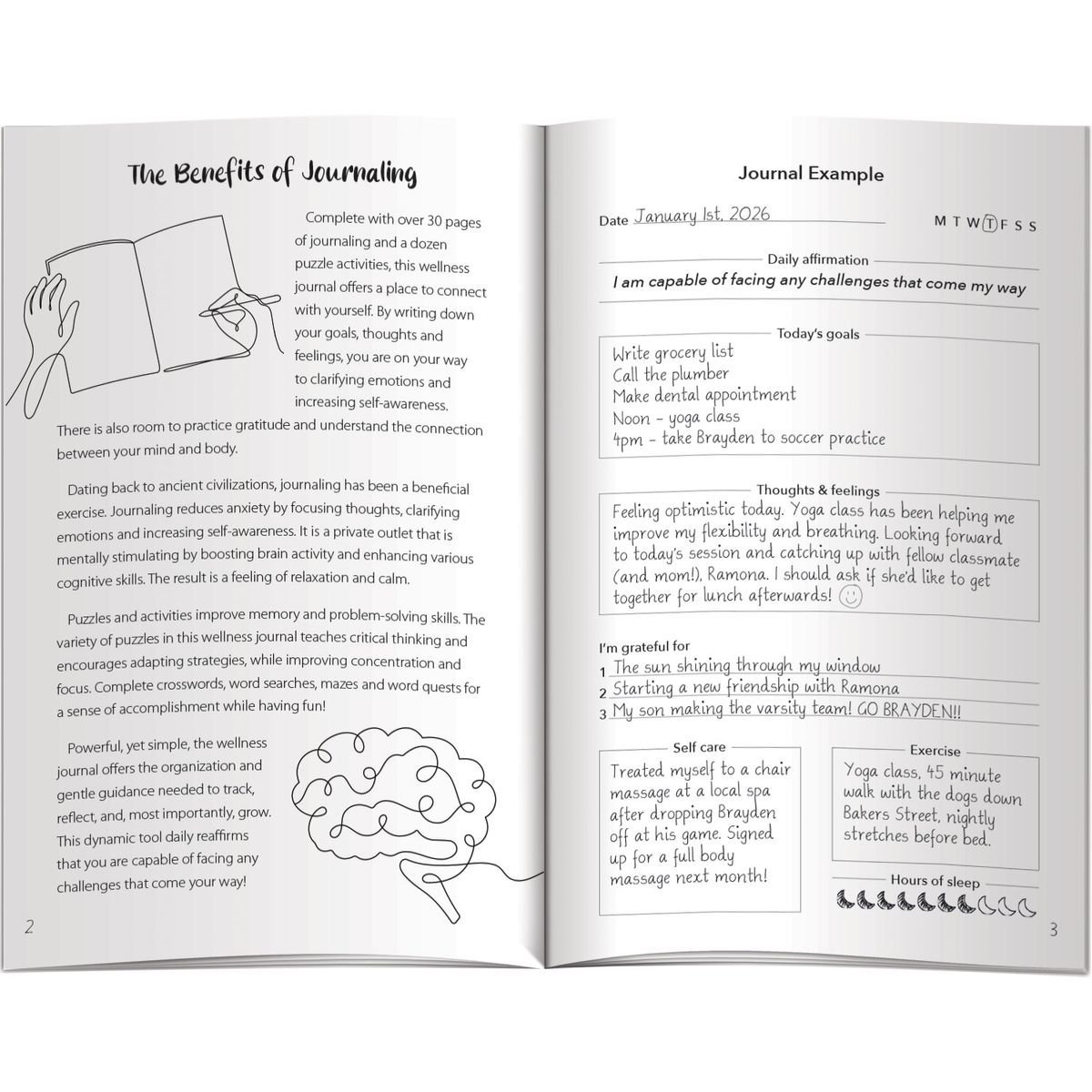
The Benefits of Journaling Every Day
What are the benefits of journaling every day? If you’ve ever dismissed it as something only teenagers with diaries do, I get it — I thought the same until I actually tried it for a month. Turns out there’s a reason therapists, productivity coaches and genuinely together people keep recommending it. Daily journaling is one of the cheapest, simplest habits with the most outsized returns I’ve come across, and all it costs is a notebook and ten minutes.
This isn’t about writing beautiful prose or documenting your life for posterity. It’s about what happens in your head when you get thoughts out of it and onto paper.
Your Brain on Paper: Why Journaling Works
Your working memory can only hold a few things at once. When worries, to-do lists and half-formed ideas are all swirling around in there, everything feels urgent and nothing gets resolved. Writing forces you to slow down and process one thought at a time — psychologists call this “expressive writing,” and studies have linked it to reduced anxiety, better working memory and even improved immune function. The NHS Every Mind Matters programme lists journaling among its recommended self-care techniques.
I’ve found the biggest benefit is much simpler though: clarity. Problems that feel enormous at 11pm look manageable written down in daylight. Decisions get easier when you can see your own reasoning on the page. It’s like having a conversation with the calmest version of yourself.
The Benefits of Journaling Every Day: What Changes
1. Stress goes down
Getting worries out of your head and onto paper genuinely reduces their power. It’s not magic — it’s just harder for your brain to catastrophise about something once you’ve written “I’m worried about the dentist bill” in plain English. Pair journaling with other free techniques from our guide on how to reduce stress without spending money and you’ve got a solid toolkit.
2. You notice patterns
After a few weeks, you’ll start spotting them: the Sunday-night dread, the energy crash after too much sugar, the fact that you always feel better on days you walk. A journal is basically a personal data log, and the insights are free.
3. Goals actually stick
Writing down what you want — and reviewing it regularly — keeps goals alive in a way that thinking about them doesn’t. Whether it’s saving money, building a daily walking habit or finally learning to manage your time, the journal becomes your accountability partner.
4. Gratitude becomes a habit
Ending each entry with one or two things you’re grateful for rewires what your brain pays attention to. It sounds small, but over months it genuinely shifts your baseline mood. If you want to go deeper, our guide on how to start a gratitude practice builds on exactly this idea.
5. Creativity and problem-solving improve
Some of my best ideas have arrived mid-journal-entry, disguised as complaints. When you write freely without editing, your brain makes connections it wouldn’t make while scrolling your phone. Morning pages — three pages of unfiltered writing before the day starts — are beloved by writers and founders for exactly this reason.
How to Start (Without Overthinking It)
The number one reason people quit journaling is starting too ambitiously. Forget leather-bound journals and fountain pens. Here’s the minimum viable version:
- Pick your tool: Any notebook works. A £1 notebook from The Works is perfect. Prefer digital? The notes app on your phone is fine.
- Pick your time: Morning works best for most people — five minutes with your first coffee. Evening works too if you’re a reflector. Consistency beats timing.
- Use a dead-simple prompt: Try “Today I feel ___ because ___” or “Three things on my mind are…” or just “What’s going on?” You don’t need profound questions.
- Lower the bar to the floor: Three sentences count. Bullet points count. “Too tired, everything fine” counts. The habit matters more than the content.
- Don’t reread for a month: Rereading too early makes you self-conscious. Let a month of entries pile up, then look back — that’s when the patterns jump out.
What If You Miss a Day?
You will miss days. Everyone does. The rule is simple: never miss twice. One missed day is life; two is the start of quitting. Just pick up the pen again tomorrow with zero guilt. A journal with gaps is infinitely more useful than a perfect streak that died in week two because you felt bad about breaking it.
20 Journaling Prompts for When You’re Stuck
Blank page paralysis is real. Keep this list handy for the days when “write something” feels impossible — pick whichever jumps out:
- What’s been on my mind most this week, and why?
- What am I avoiding, and what am I afraid will happen if I face it?
- Describe a perfect ordinary day. What’s in it?
- What would I do differently if nobody would know?
- What am I most grateful for right now, specifically?
- What advice would I give a friend in my situation?
- What’s something I believed five years ago that I don’t believe now?
- What does my ideal morning look like?
- What’s draining my energy lately?
- What’s giving me energy lately?
- What am I proud of that I rarely acknowledge?
- If I had an extra hour every day, how would I spend it?
- What conversation do I need to have, and what’s stopping me?
- Describe where I want to be in a year, in detail.
- What small thing made today better?
- What do I need to forgive myself for?
- What would “enough” look like in my life right now?
- Who has influenced me most, and how?
- What am I curious about that I’ve never explored?
- Write a letter to yourself ten years from now.
You don’t need to answer deeply — a few honest sentences per prompt is plenty. The prompt is just a door; walking through it is the practice.
The Takeaway
Journaling every day won’t fix your life — but it will make your life significantly easier to understand, and that’s often the harder problem. Ten minutes, a cheap notebook, three honest sentences. Try it for thirty days and then tell me your head doesn’t feel quieter. And if you’re looking for another small daily practice with outsized returns, learning to meditate pairs beautifully with a journaling habit — calm mind, clear page, better days.
One thought on “The Benefits of Journaling Every Day”