
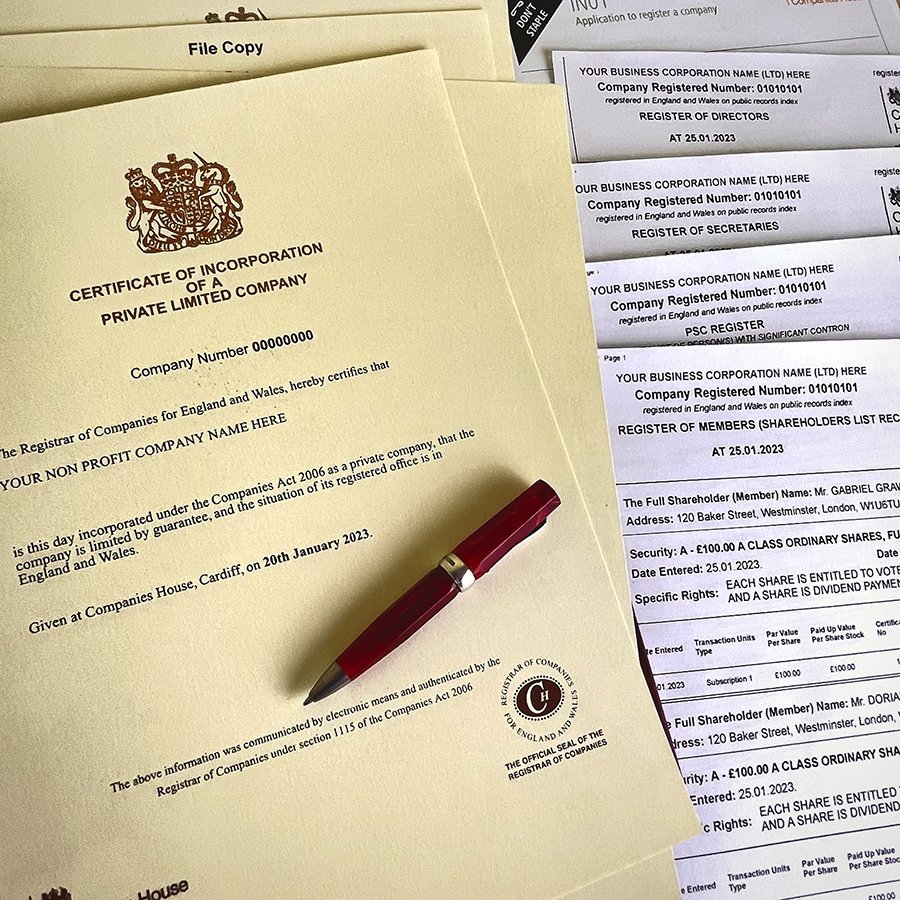
How to Register a Limited Company in the UK
Starting a limited company in the UK is one of those things that sounds intimidating and turns out to be surprisingly straightforward. Companies House has streamlined the whole process — you can go from “I’ve got a business idea” to “I’m the director of a limited company” in about 24 hours, for £50. Here’s exactly how.
How Do I Register a Limited Company in the UK?
Register online at Companies House (gov.uk) — it costs £50, takes about 24 hours, and you need: a company name, a registered office address, at least one director, at least one shareholder, and your SIC code (business activity). You’ll also need to create your articles of association and memorandum (templates are provided).
Before You Start: The Checklist
- Choose a company name. It must be unique (check with the Companies House name checker), not too similar to an existing company, and not contain sensitive words (like “British” or “Bank”) without permission. Most limited companies end in “Ltd” or “Limited”. Pro tip: check the domain name and social handles are available too — nothing worse than registering “Brilliant Bakes Ltd” and finding brilliantbakes.co.uk is taken.
- Registered office address. This is the company’s official address — it goes on the public register, so think carefully before using your home address. It must be a real UK address (not a PO Box). Many founders use a virtual office or their accountant’s address for privacy (£50–£150/year).
- Director(s). At least one, aged 16+, not disqualified. That’s you, most likely. You’ll need your personal details — name, date of birth, nationality, address.
- Shareholder(s) and share structure. At least one share must be issued. The simplest setup: 100 shares of £1 each, all owned by you. You can get fancier later.
- SIC code. A 5-digit code describing what the business does (e.g., 47910 for online retail). Pick the closest match — it’s not legally binding, just classification.
- Articles of association. The company’s internal rulebook. Companies House provides model articles — accept the defaults unless you have a reason not to.
The Registration Process (Step by Step)
- Go to gov.uk’s “Set up a limited company” pages and start the online formation.
- Enter your company name and check availability.
- Fill in the registered office address, director details, shareholder details and share capital.
- Accept the model articles of association (or upload custom ones).
- Pay £50 by card. (Same-day service costs £78 if you’re in a hurry.)
- Wait ~24 hours for your certificate of incorporation by email. This includes your company number and date of formation.
That’s it. You’re now a company director with legal responsibilities — which brings us to…
What You Must Do After Registering
Registration is the easy part. The obligations are ongoing:
- Register for Corporation Tax with HMRC within 3 months of starting to trade (Companies House notifies HMRC, but confirm it).
- File annual accounts with Companies House (first ones due 21 months after incorporation).
- File a confirmation statement yearly (£13 fee).
- Keep proper records — invoices, receipts, bank statements — for 6 years.
- Consider VAT registration if turnover will exceed £90,000 — see our guide to registering for VAT in the UK.
- Open a business bank account. Legally you should keep company money separate — see our roundup of business bank accounts for startups.
Miss the filing deadlines and Companies House fines you — £150 for accounts up to a month late, escalating steeply. Set calendar reminders now.
Limited Company vs Sole Trader?
Quick version: limited companies offer limited liability (your personal assets are protected if the business fails) and can be more tax-efficient once profits exceed ~£30–£40k. But they involve more admin, public records, and accountancy costs. If you’re just starting out and testing an idea, sole trader is simpler — our comparison of sole trader vs limited company walks through the decision properly.
Should You Use a Formation Agent?
Companies like Crunch, GoSolo or 1st Formations offer packages (£50–£200) that handle registration plus extras like a registered office address, VAT registration and accounting software. They’re convenient but not necessary — the Companies House process is genuinely DIY-friendly. Where an agent earns its fee is the bundled registered-office address (privacy) and the hand-holding. If you’re confident with forms, save the money.
The Bottom Line
£50, 24 hours, one gov.uk session — that’s all it takes to register. The real work is what comes after: tax registration, record-keeping, and filing on time. Get an accountant early (even just for a one-off setup consultation — see what accountants cost for small businesses) and you’ll avoid the classic first-year mistakes. The official gov.uk limited company formation guide is the definitive reference — bookmark it.
Registering a Limited Company: Questions, Answered
Can I register a company if I’m not a UK resident?
Yes — there’s no UK residency requirement for directors or shareholders. But the company needs a UK registered office address, and non-resident directors face practical hurdles: opening a UK business bank account remotely is difficult (most banks want a UK-based director), and tax residency gets complicated. Many non-residents use formation agents that bundle a registered office address with the setup.
How long does it take?
Standard online formation: around 24 hours. Same-day service (£78): incorporated the same working day if you apply before 3pm. Postal applications take 8–10 days — don’t do postal. In practice, most online applications submitted in the morning are approved by the next morning.
Can I be a sole trader and have a limited company?
Yes — they’re separate legal entities and there’s no rule against running both. Common pattern: contracting through the limited company while running a small side business as a sole trader. Keep the finances rigorously separate (different bank accounts, different records) and file both sets of tax obligations. It doubles the admin, so have a reason.
What if my chosen company name is taken?
Pick another — Companies House rejects duplicates and near-duplicates automatically. Slight variations (“Brilliant Bakes Ltd” vs “Brilliant Bake Ltd”) are usually rejected as too similar. Before falling in love with a name, check the Companies House name checker, the domain, and the trademark register — in that order. A name that’s free everywhere is worth more than a clever one that’s taken.
2 thoughts on “How to Register a Limited Company in the UK”