
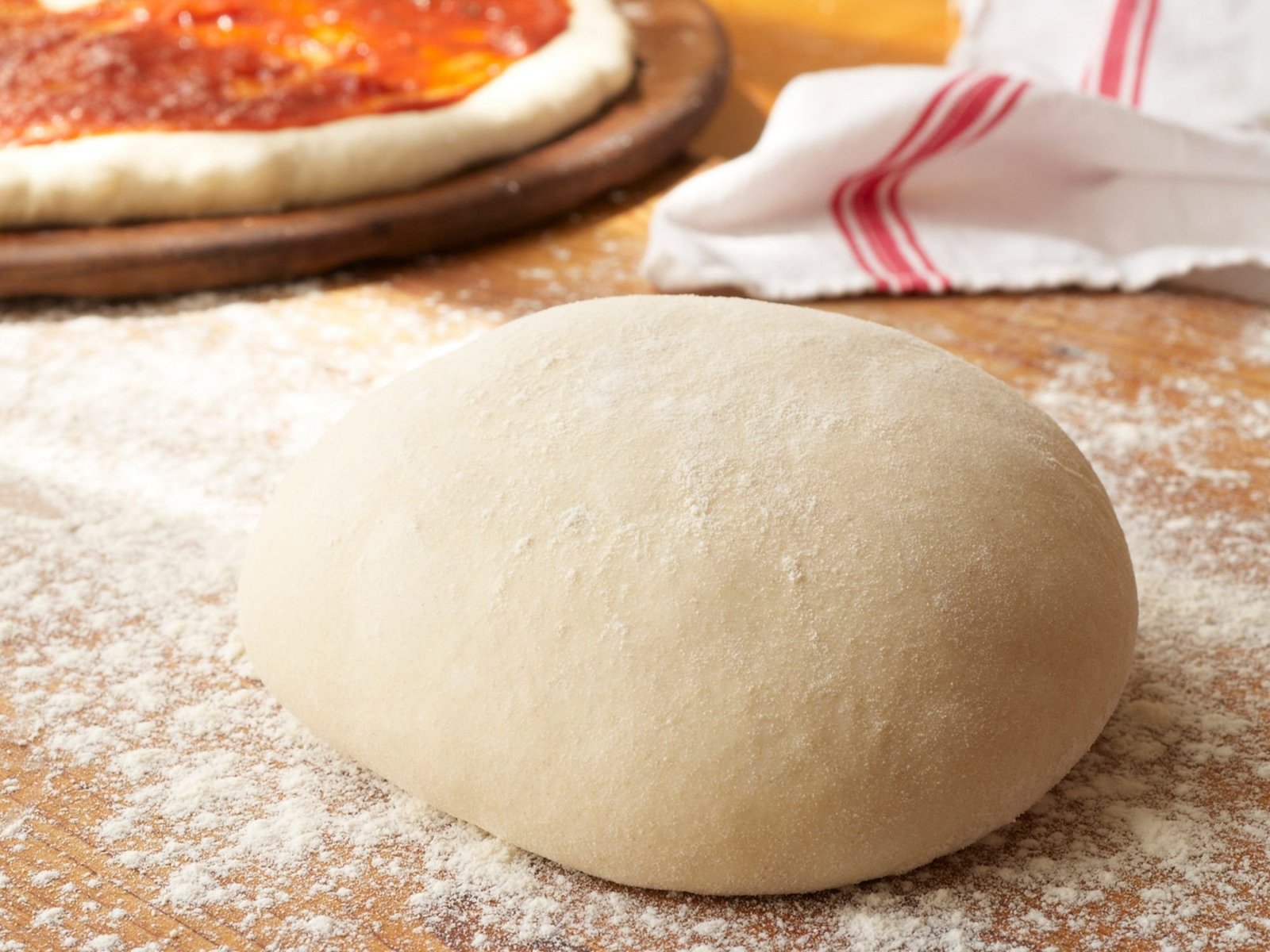
Easy Homemade Pizza Dough: 5 Ingredients, 10 Minutes’ Work
Shop-bought pizza bases are fine, but there’s something deeply satisfying about a pizza that started as a shaggy ball of dough in your own bowl — and it’s far easier than the artisan sourdough crowd would have you believe. I’ve been making pizza dough on Friday nights for years, and the whole thing takes about ten minutes of actual work. So how do you make homemade pizza dough easily? Flour, water, yeast, salt, olive oil — mixed, kneaded briefly, left alone for an hour. That’s it. No stand mixer, no special skills.
The reason homemade dough beats shop-bought isn’t complicated: fresh dough has better texture, better flavour, and you control the thickness. Plus a batch costs about 40p and makes two large pizzas, versus £1.50–2 per ready-made base. Once you’ve done it twice, you’ll never go back.
Easy Homemade Pizza Dough: The Recipe
This makes two 12-inch pizzas (or four smaller ones):
- 500g strong white bread flour (“00” flour is the Italian gold standard and worth trying, but strong bread flour works brilliantly)
- 7g fast-action dried yeast (one sachet)
- 10g fine sea salt (about 2 teaspoons)
- 325ml lukewarm water
- 2 tablespoons olive oil, plus extra for the bowl
- Mix: combine flour, yeast and salt in a large bowl. Add the water and oil, and stir with a wooden spoon until a shaggy dough forms. If it’s very dry, add water a tablespoon at a time; if sticky, a dusting of flour.
- Knead (5–10 minutes): tip onto a lightly floured surface and knead until smooth and elastic. It should spring back when poked. Don’t stress about perfect technique — even rough kneading develops the gluten. Under-kneaded dough still makes good pizza; it just won’t stretch quite as thin.
- Prove (1–2 hours): put the dough in an oiled bowl, cover with a damp tea towel or cling film, and leave somewhere warm until doubled. In no rush? Leave it in the fridge overnight — slow, cold fermentation develops noticeably better flavour. If you’re unsure about the rise, knowing when dough is properly proved covers the poke test and all the visual cues.
- Shape: divide in two, and stretch each ball from the centre outward on a floured surface, leaving a puffy rim for the crust. Use your knuckles rather than a rolling pin if you can — rolling pins crush the air bubbles that make the crust airy. Don’t worry about perfect circles; rustic is charming.
- Top and bake: sauce, cheese, toppings — then into the hottest oven you’ve got (250°C+, or max) for 7–10 minutes. More on this below.
The Oven: Your Secret Weapon (and Limitation)
Here’s the truth about home pizza: your oven can’t match a 450°C pizza oven, but you can get remarkably close. The keys are maximum heat and a hot surface. Put a heavy baking tray, pizza stone or even an upturned cast-iron pan in the oven while it preheats for at least 30 minutes, and slide your pizza onto it (baking parchment makes the transfer easy). The blast of heat from below is what gives you a crisp base instead of a soggy one.
Less is more with toppings — a waterlogged pizza is the classic home failure. Three or four toppings max, sauce spread thin, cheese not piled to the ceiling. Fresh mozzarella is lovely but wet; pat it dry or use low-moisture mozzarella for a crispier result. The BBC Good Food pizza dough recipe has good topping ratios if you want a reference.
Make-Ahead and Freezing
Pizza dough is a brilliant make-ahead. After kneading, you can refrigerate it for up to 3 days (the flavour actually improves), or freeze individual dough balls for up to 3 months — thaw in the fridge overnight, then let them come to room temperature for 30 minutes before shaping. I often make a double batch on Sunday and freeze half, which means Friday pizza night needs zero prep. It fits perfectly into a batch-cooking routine alongside your other freezer staples.
Troubleshooting Common Dough Problems
- Dough springs back when stretching: the gluten is tight. Let it rest 10 minutes, covered, then try again. Patience beats force.
- Soggy middle: oven not hot enough, too much sauce, or the pizza sat on a cold tray. Preheat longer, sauce thinner.
- Dense, bready crust: under-proved dough or oven too cool. Give it the full rise and max heat.
- Sticking to everything: more flour on the surface, or shape on baking parchment and slide the whole thing in.
- Yeast didn’t activate: water too hot kills yeast (lukewarm means comfortable on your wrist, not warm). Check your yeast isn’t years out of date.
Sauce and Toppings: The Rules That Matter
Great dough deserves better than a jar of sugary sauce and a mountain of toppings. The sauce: a tin of good chopped tomatoes (San Marzano if you’re feeling fancy), crushed with salt, a clove of garlic and a glug of olive oil — uncooked. That’s it. Raw sauce cooks on the pizza in the hot oven and tastes brighter than any pre-cooked version. Make a batch and freeze it in portions; it takes five minutes.
Topping rules from years of Friday nights:
- Less is more: three or four toppings maximum. A margherita (sauce, mozzarella, basil) done well beats a loaded pizza every time.
- Wet toppings need prep: pat fresh mozzarella dry, pre-cook mushrooms (they release water), and go easy on fresh tomato slices.
- Balance flavours: salty (pepperoni, olives, anchovies) needs something fresh (basil, rocket after baking) or sweet (peppers, red onion).
- Cheese goes under delicate toppings: basil, prosciutto and rocket go on after baking — the residual heat wilts them perfectly without burning.
- Finish with oil: a drizzle of your best olive oil after baking lifts everything. Chilli honey on pepperoni pizza is a revelation.
The Takeaway
Easy homemade pizza dough is five ingredients, ten minutes of work and an hour of waiting: mix, knead briefly, prove until doubled, shape by hand, and bake as hot as your oven goes on a preheated tray. Make a double batch and freeze half for instant Friday nights. Once you’ve tasted a pizza with a properly puffy, chewy, blistered crust that cost you 40p, the chilled cabinet at Tesco loses its appeal for good.