
How to Avoid Roaming Charges in Europe
Wondering how do i avoid roaming charges when travelling in europe? You’re not alone, and the answer is simpler than you might expect. How do you avoid roaming charges when travelling in Europe? Since Brexit ended free EU roaming for UK phones, the “just use your phone like at home” era is over — and the bills can be brutal. Horror stories of £500+ charges from a week in Spain are real, and they happen to ordinary people who just left data on. Here’s how to stay connected in Europe without the nasty surprise.
What Changed (and What It Costs Now)
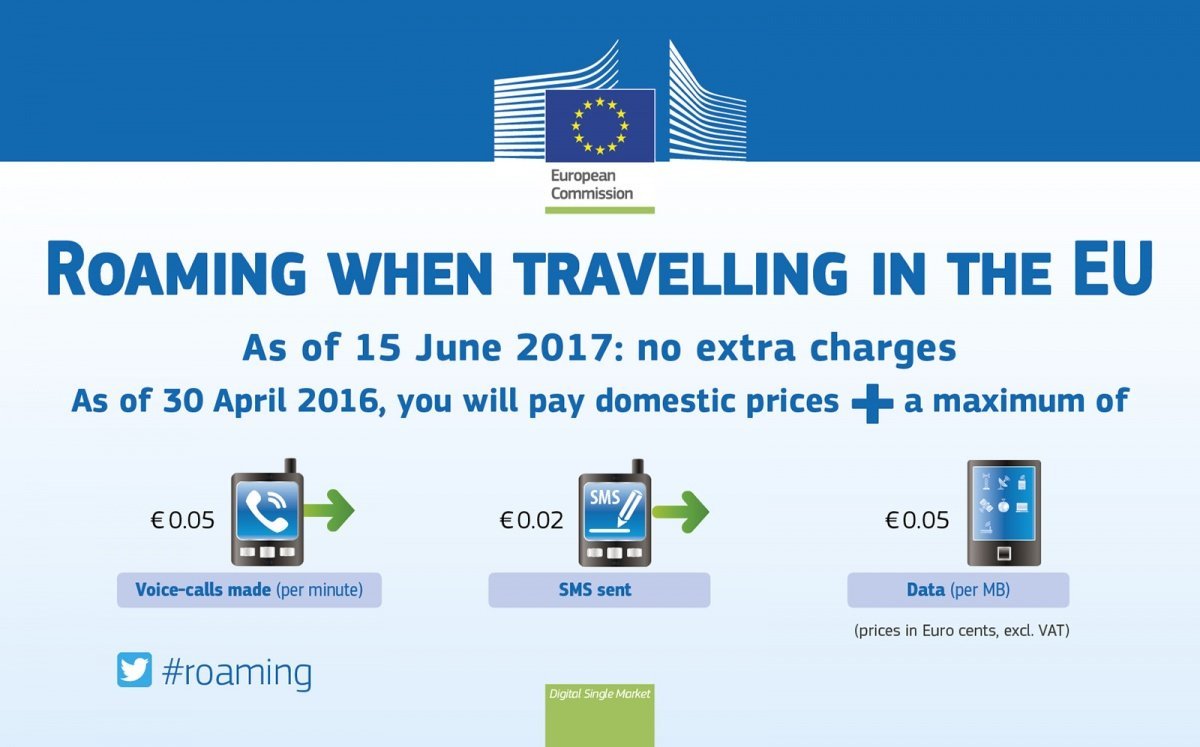
Most major UK networks reintroduced EU roaming charges:
- EE, Vodafone, Three: Typically £2-2.50/day for EU roaming (or bundled into pricier plans). Caps and fair-use limits apply.
- O2: Still includes EU roaming up to 25GB on most plans — the most generous of the big four.
- Smaller networks vary: Giffgaff, Tesco Mobile, Voxi and others have their own rules — some still include EU roaming free.
- Outside the EU (Turkey, Switzerland, Norway): charges are higher and fewer plans include them — £5-7/day is common, with per-MB rates that can spiral.
Check your specific plan before you travel — log into your network’s app or website. “I assumed it was included” is the most expensive sentence in travel.
How Do I Avoid Roaming Charges When Travelling in Europe? The Options Ranked
1. EU roaming add-on from your network (easiest)
Most networks sell travel passes: ~£15-25 for a week of EU data/calls. Buy in the app before departure. Easiest option, decent value for short trips, no SIM faffing. For a single week in Spain or France, this is usually the pragmatic choice.
2. eSIM (best for most travellers)
If your phone supports eSIM (most phones from the last 4-5 years do), this is the sweet spot: buy a European data eSIM before departure from providers like Airalo, Holafly or Nomad. Typical prices: £8-15 for 10-20GB valid 30 days across Europe. You keep your UK number for calls/texts (turn data roaming off for your UK SIM, use the eSIM for data), and WhatsApp/iMessage work normally. Set it up at home on Wi-Fi — takes five minutes.
3. Local SIM (cheapest for long stays)
Staying 2+ weeks or outside the EU? A local SIM at the destination is cheapest — often €10-20 for generous data. Buy at the airport (pricier but instant) or a local shop (cheaper). You’ll get a local number, which is handy for bookings and taxis.
4. Free Wi-Fi strategy (free, with caveats)
Hotels, cafés, restaurants — Europe is well-supplied with free Wi-Fi. Download offline maps (Google Maps), translation packs and entertainment before departure, and batch your connectivity. Works for light users; frustrating if you need maps on the move. Never do banking on open public Wi-Fi without a VPN.
5. Switch to a roaming-friendly network (nuclear option)
If you travel often, switching to O2 or a smaller network with free EU roaming can pay for itself. SIM-only deals from £8-12/month with EU roaming included exist — compare on MoneySavingExpert’s mobile guides.
The Settings That Prevent Disaster
Whatever option you choose, do this before the plane lands:
- Turn off data roaming on your UK SIM (Settings → Mobile Data → Data Roaming off) unless you’ve bought a roaming pass. This single toggle prevents 99% of horror bills.
- Set a spend cap with your network — most offer a £0-50 cap. At £0, data simply stops rather than billing you.
- Download offline essentials: Google Maps offline areas, Google Translate language packs, boarding passes, hotel confirmations, insurance documents.
- Check voicemail charges: Listening to voicemail abroad can cost £1+/minute on some networks — disable voicemail or ignore it till home.
Calling Home Cheaply
WhatsApp, FaceTime Audio, Telegram, Signal — all free over Wi-Fi or eSIM data. For calling actual phone numbers (restaurants, hotels), Skype credit or similar VoIP costs pennies per minute versus £1+/minute roaming rates. And remember: incoming calls while roaming can also be charged on some networks — let unknown numbers go to voicemail (which you’ve disabled — see above).
Beyond Europe: Turkey, USA, Worldwide
Outside Europe, the eSIM approach shines brightest — regional eSIMs (Europe, Asia, Global) from Airalo et al. cost £10-25 for generous data. For the USA specifically, eSIMs with US data run ~£10-20 for two weeks. Our currency guide and insurance guide cover the other two pillars of trip prep.
Roaming Horror Stories (Learn from Others’ Bills)
- The £3,000 Turkey bill: A traveller left data roaming on for a week in Turkey (outside EU bundles). Background app updates alone racked up thousands. The network eventually capped it — but the bill still hurt.
- The cruise ship trap: Maritime networks (“Cellular at Sea”) charge £5-10 per MB. One photo upload = £50. Always use airplane mode + ship Wi-Fi packages.
- The tethering trap: Using your phone as a laptop hotspot abroad burns data 10x faster than phone use. A “quick” laptop session can eat a gigabyte.
- The voicemail bill: Retrieving voicemail abroad costs £1+/minute on some networks — and spammers’ robo-calls trigger it. Disable voicemail before travel.
Every one of these was preventable with the settings checklist in the main article. Five minutes of prevention; thousands of pounds of cure.
The Pre-Flight Phone Checklist
- ☐ Data roaming OFF on UK SIM (unless roaming pass bought)
- ☐ Spend cap set with network (£0 = safest)
- ☐ eSIM installed and tested on Wi-Fi (if using one)
- ☐ Offline maps + translate packs downloaded
- ☐ Boarding passes, hotel confirmations, insurance saved offline
- ☐ Voicemail disabled or ignored
- ☐ Auto-updates and cloud photo backup set to Wi-Fi only
- ☐ Bank/travel apps logged in (avoid SMS 2FA abroad — use authenticator apps)
The Takeaway
Avoiding EU roaming charges: check your plan, turn off data roaming, and pick your weapon — network add-on for simplicity, eSIM for value (£8-15 for a month of data), local SIM for long stays. Five minutes of setup before departure saves potentially hundreds. The Brexit roaming era requires a tiny bit of planning — but it’s planning that pays for itself the moment you land.