
Fibre vs Full Fibre Broadband: What’s the Real Difference?
“Fibre” and “full fibre” sound like the same thing with extra marketing. They are not the same thing at all — and the difference explains half the broadband complaints in the UK. If you’ve ever wondered why your “fibre broadband” slows to a crawl at 8pm, this is probably why.
Let me untangle the jargon, because the industry has made this deliberately confusing.
What Is the Difference Between Fibre and Full Fibre Broadband?
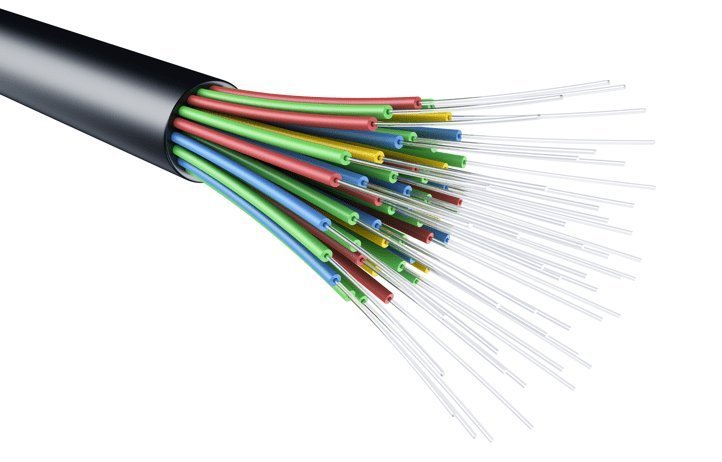
“Fibre” (FTTC — fibre to the cabinet) runs fibre optic cable to the green cabinet on your street, then uses old copper telephone wire for the final stretch to your house. “Full fibre” (FTTP — fibre to the premises) runs fibre all the way to your front door. That last bit of copper is the bottleneck: it caps speeds around 35–80Mbps and slows down when everyone on your street is online at once.
Think of it like a motorway that narrows to a single-track country lane for the last mile. Fine at 3am, miserable at rush hour.
The Speed Difference in Real Terms
- FTTC “fibre”: 35–80Mbps down, 8–20Mbps up. Speeds drop with distance from the cabinet and at peak times.
- FTTP “full fibre”: 100Mbps to 1Gbps+ down, 20–100Mbps+ up. Speeds stay consistent regardless of distance or time of day.
The upload speed gap is the one people underestimate. On old-style fibre, uploading a video, backing up photos to the cloud, or being on a video call while someone else streams can all stutter. Full fibre’s much faster uploads fix that properly. For households working from home, I’d argue the upload speed matters more than the download headline.
Why Your “Fibre” Slows Down in the Evening
Two reasons. First, that copper last mile is a shared, distance-sensitive technology — the further your house is from the cabinet, the slower your connection, and your neighbours’ usage affects yours. Second, contention: the cabinet’s backhaul is shared among everyone connected to it. At peak times, you’re all fighting for the same bandwidth. Full fibre doesn’t have the copper bottleneck, so while some contention still exists, the effect is dramatically smaller.
If this sounds like your evenings, check what you’re actually getting — our guide to what broadband speed you actually need for 4K streaming will tell you whether the speed or the stability is your real problem.
How to Tell What You’ve Got
Check your bill or your provider’s website — legally they have to be honest about it now. Ofcom cracked down on the terminology: providers can only call a service “full fibre” if it’s genuinely fibre to the premises. If your package is described as “superfast fibre” with speeds up to 35–80Mbps, it’s almost certainly FTTC. Packages advertised at 100Mbps+ are full fibre (or Virgin Media’s cable network, which is a different technology again).
You can also check availability directly. Openreach, CityFibre and other network builders all have postcode checkers showing whether full fibre has reached your street yet. The government’s Project Gigabit is pushing rollout into harder-to-reach areas, so it’s worth rechecking every few months if you’re not covered yet.
Is Full Fibre Worth Switching To?
Honestly? For most households, yes — and the price gap has narrowed a lot. Full fibre 100–150Mbps packages often cost about the same as old FTTC deals once introductory offers are factored in. What you get: consistent speeds at peak times, much faster uploads, and a connection that won’t need upgrading again for a decade.
A few things to know before you switch:
- Installation is a real visit. Unlike FTTC, full fibre needs an engineer to run a new cable to your house and fit a small box (an ONT) inside. It’s free as part of the install, but you’ll need to be home.
- Your landline may change. Full fibre doesn’t carry the old analogue phone signal, so providers move you to a digital voice service that runs over the broadband. If you rely on a landline — particularly for a care alarm or medical device — tell the provider before switching.
- Your router position might need to change, since the fibre enters at a specific point. If your Wi-Fi coverage is already patchy, sort that at the same time — see how to check who’s using your Wi-Fi if you suspect the neighbours are part of the problem.
The Bottom Line
“Fibre” is a halfway house built on Victorian copper; “full fibre” is the real thing. If it’s available at your address and the price is within a few pounds of what you’re paying now, switch — it’s one of the few upgrades in tech that’s genuinely worth it. Check Ofcom’s broadband pages for your rights on speeds and switching, and don’t let anyone sell you 900Mbps when 150Mbps would do.
Fibre Broadband Questions, Answered
How do I check if full fibre is available at my address?
Use the postcode checkers on the Openreach, CityFibre or Virgin Media websites — they show exactly what’s available at your property and which providers sell over it. Availability changes constantly as the rollout progresses, so recheck every few months if you’re not covered yet. Comparison sites also show full-fibre-only deals if you filter for them.
Will I lose my landline if I switch to full fibre?
The old analogue phone line goes away, yes — full fibre can’t carry it. Providers move you to a digital voice service that runs over the broadband connection, usually keeping your number. For most people this is seamless, but if anyone in the house relies on a care alarm, health monitor or lift emergency line, tell the provider before switching — these devices need checking for compatibility with digital voice, and providers have specific processes for vulnerable customers.
Is full fibre more reliable than standard fibre?
Noticeably. The copper last mile in FTTC is sensitive to weather, distance and line faults; full fibre is immune to all of that. Full-fibre connections drop far less often and don’t degrade at peak times the way copper-based ones do. If you work from home, that reliability alone justifies the switch.
Can I get full fibre in a flat?
Usually yes, but it needs the building’s permission — the fibre has to run through common areas. Most landlords and management companies agree routinely now, but leasehold flats can involve extra paperwork. If your building says no, ask your provider about their wayleave team — they handle landlord negotiations daily.