
What is a Healthy Resting Heart Rate for my Age
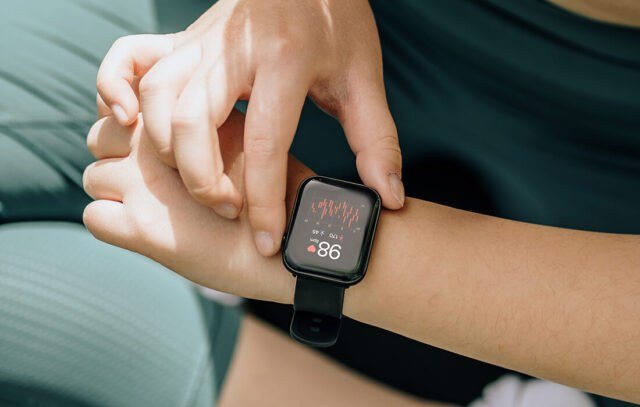
You glance at your smartwatch and it says your resting heart rate is 82. Is that fine? Concerning? Should you be Googling “heart attack symptoms” at midnight? (Don’t — step away from the midnight Googling.) Resting heart rate is one of the simplest health numbers you can track, and it genuinely tells you something useful about your cardiovascular fitness. But “normal” depends on your age, fitness, and a handful of other factors. Here’s what a healthy resting heart rate looks like at your age, how to measure it properly, and when the numbers warrant a conversation with your GP.
What Is Resting Heart Rate?
Your resting heart rate (RHR) is the number of times your heart beats per minute when you’re completely at rest — not exercising, not stressed, not digesting a large meal, not mainlining espresso. It’s measured in bpm (beats per minute). A lower resting heart rate generally means your heart is more efficient: it pumps more blood per beat, so it doesn’t need to beat as often. That’s why trained athletes often sit in the 40s while sedentary adults hover in the 70s–80s.
What’s a Healthy Resting Heart Rate by Age?
For adults, the widely accepted normal range is 60–100 bpm at rest, according to the British Heart Foundation’s guide to heart rate. But within that range, age and fitness shift the picture:
- Children (6–15): 70–100 bpm — kids’ hearts naturally beat faster
- Adults 18–30: 60–100 bpm; fit individuals often 55–75
- Adults 30–50: 60–100 bpm; average tends to creep up slightly with age
- Adults 50–65: 60–100 bpm; 65–80 is typical for reasonably active people
- Over 65: 60–100 bpm; medications (especially beta-blockers) often lower it
- Trained athletes: 40–60 bpm — normal for them, not a concern
Notice the range doesn’t change dramatically with age — what changes is maximum heart rate (roughly 220 minus your age), which matters for exercise intensity, not resting values. Women average slightly higher resting rates than men (a few bpm), partly because of smaller heart size. The key insight: there’s no single “perfect” number. Your personal baseline and its trend over time matter more than any chart.
How to Measure Your Resting Heart Rate Properly
Smartwatches are convenient but not gospel — loose straps, cold hands, and tattoos can all skew optical sensors. For a proper reading:
- Measure first thing in the morning, before getting out of bed (or after sitting quietly for 5–10 minutes).
- Place two fingers (not your thumb — it has its own pulse) on your wrist below the thumb base, or on your neck beside the windpipe.
- Count beats for 30 seconds and double it — or count for a full 60 seconds for accuracy.
- Repeat over several days and average. One reading is a snapshot; a week’s average is data.
Avoid measuring after caffeine, exercise, smoking, a big meal, or when you’re ill, stressed, or dehydrated — all of these temporarily raise it. If your watch and your manual count disagree wildly, trust your fingers.
What Affects Your Resting Heart Rate?
- Fitness level — the biggest lever. Regular cardio exercise steadily lowers RHR over weeks and months.
- Smoking — raises it. Quitting lowers it (among the many reasons to quit).
- Caffeine and alcohol — both raise it temporarily; heavy habitual use keeps it high.
- Stress and anxiety — chronic stress keeps the sympathetic nervous system engaged. If your RHR is creeping up during a stressful period, that’s your body talking. Understanding anxiety vs stress can help you address the root cause.
- Dehydration and heat — less blood volume means the heart works harder.
- Medications — beta-blockers lower it; decongestants, some antidepressants, and thyroid medication can raise it.
- Illness and fever — roughly +10 bpm per degree of fever.
- Sleep — poor sleep raises it; this is another reason rest matters.
When Should You Worry About Your Heart Rate?
See your GP if:
- Your resting heart rate is consistently above 100 bpm (tachycardia) without an obvious cause
- It’s consistently below 60 bpm and you’re not athletic, especially with dizziness, fatigue, or fainting (bradycardia)
- Your pulse feels irregular — skipping beats, fluttering, or chaotic
- A high or irregular rate comes with chest pain, breathlessness, dizziness, or fainting — seek urgent care
- Your RHR has risen significantly (>10–15 bpm) from your usual baseline over weeks
Context matters enormously: a fit 30-year-old with an RHR of 52 is fine; a sedentary 60-year-old with an RHR of 52 and dizzy spells needs checking. Numbers without context are just numbers.
How to Lower a High Resting Heart Rate
The same lifestyle pillars as everything cardiovascular:
- Aerobic exercise — 150 minutes of moderate activity weekly (brisk walking counts). This is the single most effective intervention.
- Quit smoking — RHR typically drops within weeks of quitting.
- Moderate caffeine and alcohol
- Manage stress — exercise, sleep, and actual downtime, not just “powering through”
- Stay hydrated and maintain a healthy weight
It’s also worth tracking alongside blood pressure — the two together paint the real picture. Our guide to checking your blood pressure at home properly shows you how to get clinical-quality readings with a £30 monitor.
How Exercise Reshapes Your Resting Heart Rate
Want a lower resting heart rate? Aerobic exercise is the mechanism — and the timeline is encouraging:
- Weeks 1–4: your heart starts becoming more efficient; resting rate may drop 2–5 bpm. You will notice recovery after exertion improving first.
- Months 2–6: the big gains — regular moderate cardio (brisk walking, cycling, swimming, 150+ minutes weekly) typically lowers resting heart rate by 5–15 bpm. The heart muscle strengthens and stroke volume increases.
- Long term: trained individuals maintain resting rates 10–20 bpm below their sedentary baseline. Endurance athletes in the 40s–50s are common.
The type matters less than the consistency: brisk walking works, running works, swimming works, cycling works. What does not work is sporadic heroic efforts followed by weeks off — the heart adapts to regular demand. Start where you are: if you are sedentary, three 20-minute brisk walks weekly will move the needle within a month. And the benefits compound — lower resting heart rate, lower blood pressure, better sleep, better mood. It is the same lifestyle package we describe in our blood pressure guide, because the cardiovascular system does not compartmentalise. Train the heart, and everything downstream improves.
Your resting heart rate is a useful window into your cardiovascular fitness — not a verdict. Measure it properly, know your personal baseline, watch the trend, and act on sustained changes rather than single readings. And maybe stop checking the smartwatch at 2am. That never helped anyone’s heart rate.
One thought on “What is a Healthy Resting Heart Rate for my Age”