
How can I Boost my Immune System in Winter
Every October, the same ritual begins. The central heating clicks on, the days shrink to a grey sliver, and within a fortnight half the office is coughing. You start wondering — is there actually anything you can do to boost your immune system in winter, or is catching every cold going around just the price of living in Britain? Here’s the honest answer: there’s no magic pill, but there genuinely are things that make a measurable difference. And most of them are far less exciting than the supplement adverts would have you believe.
Can You Really Boost Your Immune System in Winter?
Let’s clear something up first. The phrase “boost your immune system” is mostly marketing. Your immune system isn’t a phone battery you can fast-charge — it’s a staggeringly complex network, and “more” immune activity isn’t always better (autoimmune conditions are literally the immune system being too aggressive). What you actually want is a well-functioning immune system, and that comes down to giving your body the basics it needs to do its job. In winter, several of those basics get harder to come by, which is why this season deserves a plan.
1. Vitamin D: the big winter gap
This is the single most evidence-backed winter intervention for the UK. From roughly October to March, the sun in Britain simply isn’t strong enough for your skin to make vitamin D, and most of us don’t get enough from food. Low vitamin D is linked to weaker immune responses and more respiratory infections. The official advice is that everyone should consider a daily 10-microgram supplement during autumn and winter — it’s cheap (a few pounds for months’ supply at any pharmacy or supermarket) and it’s one of the few supplements with solid evidence behind it. Read the NHS guidance on vitamin D, including who needs it most, and if you’ve been feeling unusually tired, run-down, or achy, it’s worth learning the symptoms of vitamin D deficiency too.
2. Eat like your immune system depends on it (it does)
No single “superfood” will save you, but a varied diet rich in fruit, vegetables, and whole foods genuinely supports immune function. The nutrients that matter most — vitamin C, vitamin A, zinc, selenium — come from ordinary foods: citrus fruit, peppers, carrots, nuts, seeds, eggs, oily fish. You don’t need exotic powders. If you’re not sure you’re getting enough veg, the 5-a-day rule is a decent benchmark, and eating healthily on a tight budget is entirely doable with frozen veg, tinned beans, and seasonal produce. Frozen berries and veg are just as nutritious as fresh, by the way — sometimes more so.
3. Sleep: the unglamorous powerhouse
In my experience, this is the one people resist most and benefit from most. Studies consistently show that people sleeping fewer than six hours a night are significantly more likely to catch colds than those getting seven or more. Sleep is when your body produces infection-fighting cells and antibodies. The dark winter evenings are actually an opportunity — lean into earlier nights instead of fighting them with a third episode of whatever you’re streaming. Keep your bedroom cool, dark, and phone-free, and aim for consistency over perfection.
4. Move your body (moderately)
Regular moderate exercise — brisk walking, cycling, swimming — is linked to fewer respiratory infections and faster recovery when you do get ill. The key word is moderate: there’s decent evidence that extreme, exhausting exercise can temporarily suppress immunity, which is why marathon runners often catch colds after races. A 30-minute walk most days is the sweet spot. In the depths of January, even that feels like a lot — but daylight walks also help your mood and sleep, so it’s triple value.
5. Manage stress before it manages you
Chronic stress raises cortisol, and sustained high cortisol suppresses immune function. Winter piles on stressors — money worries, dark commutes, family pressures — so this isn’t a “nice to have.” Whatever genuinely decompresses you counts: walking, cooking, seeing friends, even ten minutes of quiet with a cup of tea. There’s no prize for powering through on fumes.
What About Supplements, Echinacea, and All the Rest?
Honestly? Most of it is expensive optimism. Vitamin C won’t prevent colds in the general population (it may slightly shorten them). Echinacea has weak, mixed evidence. Multivitamins are a reasonable safety net if your diet is poor, but they don’t replace food. The two exceptions worth your money are vitamin D (as above) and possibly zinc lozenges at the very first sign of a cold — there’s modest evidence they can shorten duration if started within 24 hours. Everything else, I’d spend the money on better groceries instead.
The Winter Immunity Basics Worth Doing
- Vitamin D supplement daily, October to March (10 micrograms).
- Wash your hands properly and often — still the single best cold-prevention habit.
- Ventilate rooms briefly each day, even in winter. Stale, dry heated air helps viruses linger.
- Get your flu jab if you’re eligible (over-65s, pregnant women, carers, and those with long-term conditions get it free on the NHS).
- Stay hydrated — heated homes are dehydrating, and dry mucous membranes are worse at trapping germs.
- Eat the rainbow — or at least, eat your veg. The NHS Eatwell Guide is a solid, hype-free template.
Your Winter Immunity Shopping List
Theory is nice; a shopping list is better. Here is what a genuinely immune-supporting weekly shop looks like, built from ordinary supermarket ingredients:
- Frozen mixed veg and frozen berries — the cheap backbone of winter nutrition. A bag of each covers the week.
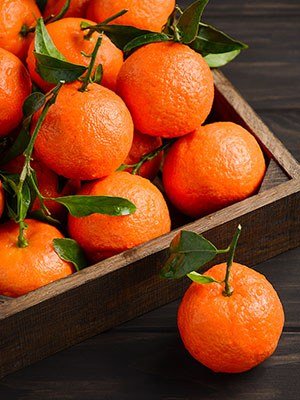
- Citrus fruit — oranges, satsumas, lemons. In season, cheap, and packed with vitamin C.
- Oily fish — tinned sardines or mackerel (under 60p a tin) twice a week for vitamin D and omega-3s.
- Eggs — one of the cheapest complete proteins; also a decent vitamin D source.
- Nuts and seeds — a small handful daily for zinc, selenium, and vitamin E. Buy the big bags; they are far cheaper per kilo.
- Garlic, ginger, and onions — the base of a hundred immune-friendly meals, pennies each.
- Live yoghurt or kefir — for gut health, which is increasingly linked to immune function.
- Oats — beta-glucan fibre, which has genuine immune-supporting research behind it, in the cheapest breakfast available.
- Vitamin D supplement — from the pharmacy aisle, not the health food shop. A year’s supply for under a tenner.
What to Skip in the Supplement Aisle
Walk past the £30 “immune defence” complexes with 47 ingredients. Most contain token amounts of everything and effective amounts of nothing. The same goes for megadose vitamin C powders, colloidal silver (genuinely dangerous in excess), and anything promising to “supercharge” your immunity. Your money is better spent on the shopping list above — real food in adequate amounts beats expensive pills in inadequate ones, every single time. The supplement industry is brilliant at selling the feeling of doing something; the boring basics are what actually do something.
None of this will make you invincible — you’ll probably still catch something this winter, because that’s what happens when humans share trains and offices in January. But there’s a real difference between a body running on empty and one that’s been given what it needs. The people I know who sail through winter aren’t taking seventeen supplements; they’re sleeping properly, eating decently, walking daily, and taking their vitamin D. Boring? Completely. Effective? More than anything in a shiny bottle.