
How to Lower Blood Pressure Without Medication
High blood pressure is called the silent killer for good reason: it usually has no symptoms, yet it quietly raises your risk of heart attacks, strokes, and kidney disease. Around 1 in 3 UK adults has hypertension, and many don’t know it. If your readings are creeping up, the question how can I lower my blood pressure without medication is exactly the right one — because lifestyle changes are genuinely powerful, often as effective as a drug for mild hypertension. Here’s what actually works, ranked by impact.
First: Know Your Numbers
Blood pressure is measured as systolic (the top number, pressure when your heart beats) over diastolic (the bottom number, pressure between beats). UK guidance (NICE) considers:
- Normal: below 120/80.
- Elevated / high-normal: 120–139 systolic or 80–89 diastolic — the lifestyle-change zone.
- High (hypertension): 140/90 or above — see your GP; lifestyle changes plus possibly medication.
One high reading doesn’t diagnose hypertension — blood pressure fluctuates through the day. But consistently high readings deserve medical attention. Important: if your blood pressure is very high (above 180/120) or you have symptoms like chest pain, seek urgent medical care. Lifestyle measures are for long-term management, not emergencies.
The Big Levers (Ranked by Impact)
1. Lose excess weight
The single most impactful change for most people. Blood pressure rises with body weight, and losing even 5–10% of your body weight produces measurable drops — often 5–10 mmHg or more. You don’t need to reach an “ideal” weight; every kilo lost helps. This is the intervention with the best effort-to-result ratio in hypertension management.
2. Cut salt — seriously
The UK average salt intake is around 8g a day; the recommended maximum is 6g. Most of it hides in processed food — bread, ready meals, soups, sauces, processed meats — not your salt shaker. Cutting to 6g can drop systolic pressure by 5–6 mmHg in hypertensive people. Practical moves: check labels (anything over 1.5g salt per 100g is high), cook from scratch more often, and watch out for “healthy-seeming” culprits like stock cubes and soy sauce.
3. Exercise regularly
Aerobic exercise — brisk walking, cycling, swimming — for 150 minutes a week can reduce systolic pressure by 5–8 mmHg. The effect is so reliable it’s essentially a prescription. You don’t need to become a marathon runner; a daily brisk 30-minute walk does it. Our guide to how much exercise adults really need breaks down the targets.
4. Limit alcohol
Alcohol raises blood pressure — both acutely and chronically. Cutting back to within UK guidelines (14 units a week, spread out) or below produces meaningful reductions, especially in heavier drinkers. Some people see drops of 5+ mmHg just from moderating drinking.
5. Eat the DASH way
The DASH diet (Dietary Approaches to Stop Hypertension) — rich in fruit, vegetables, whole grains, and low-fat dairy, low in saturated fat — is the best-evidenced eating pattern for blood pressure, with reductions comparable to medication in some trials. The NHS Eatwell Guide aligns closely with these principles.
6. Quit smoking
Each cigarette spikes blood pressure temporarily, and smoking damages artery walls long-term, compounding hypertension’s risks. Quitting doesn’t just lower the numbers — it dramatically cuts the cardiovascular risk that high blood pressure creates.
The Supporting Cast
- Manage stress. Chronic stress contributes to hypertension. Regular sleep, relaxation practices, and addressing sources of stress help — and poor sleep itself raises blood pressure, so our guide to improving sleep naturally is relevant here.
- Potassium-rich foods. Bananas, beans, leafy greens, and potatoes help balance sodium’s effects — unless you have kidney disease or take certain medications, in which case check with your GP first.
- Limit caffeine if sensitive. Caffeine’s effect varies; if your pressure spikes after coffee, cut back. (Check your hydration habits too — water beats energy drinks.)
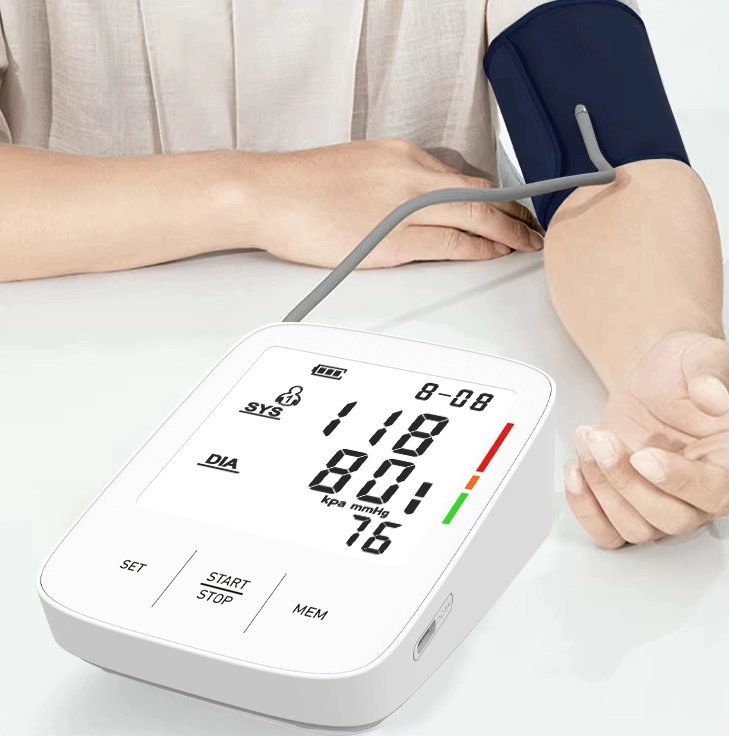
- Monitor at home. A validated home blood pressure monitor (£25–£50) lets you track progress and provides better data than occasional clinic readings — home readings predict risk more accurately.
When Lifestyle Isn’t Enough
Be honest with yourself: if your blood pressure remains above 140/90 despite genuine lifestyle effort, or if you have other cardiovascular risk factors (diabetes, high cholesterol, family history), medication may be necessary — and that’s not failure. Modern blood pressure drugs are effective, cheap, and well-tolerated. The goal is healthy arteries, not medication avoidance as an ideology. Many people use both: lifestyle changes let them use lower doses with fewer side effects.
If you’re due a check, the NHS Health Check (free for 40–74 year olds) includes blood pressure screening — an easy way to know your numbers.
Putting It Together: A 12-Week Plan
Knowing the levers is one thing; pulling them is another. Here’s a realistic 12-week sequence. Weeks 1–2: buy a validated home monitor (£25–£50, upper-arm cuff, correct size) and take readings for two weeks — morning and evening, seated, after 5 minutes rest. This baseline tells you where you stand and makes progress visible. Weeks 3–4: tackle salt — read labels, cook one extra meal from scratch weekly, switch your saltiest regular items. Weeks 5–8: build the exercise habit — start with 3 brisk 30-minute walks weekly, adding gradually toward 150 minutes.
Weeks 9–10: address alcohol — measure your actual units for two weeks (most people underestimate by half), then set a reduction target. Weeks 11–12: review. Compare your average readings to baseline. Many people see meaningful drops by now — often 5–15 mmHg systolic from combined changes. If readings remain above 140/90 despite genuine effort, that’s valuable information for your GP, not a failure.
Throughout: track simply (a notebook or phone note with weekly averages), change one thing at a time so you know what worked, and be patient — blood pressure responds over weeks, not days. And keep your GP in the loop, especially if you’re on the borderline where medication might be recommended. The goal was never to avoid medication at all costs; it’s to give lifestyle its full, fair chance first — and to arrive at whatever treatment you need with the healthiest possible foundation.
The Bottom Line
Lower blood pressure without medication by losing excess weight, cutting salt below 6g daily, exercising 150 minutes a week, limiting alcohol, eating a DASH-style diet, and quitting smoking — each of these moves the needle measurably, and together they can match a drug’s effect for mild hypertension. Monitor at home, give changes 2–3 months to show results, and see your GP if readings stay high. Lifestyle first, medication without shame if needed.