
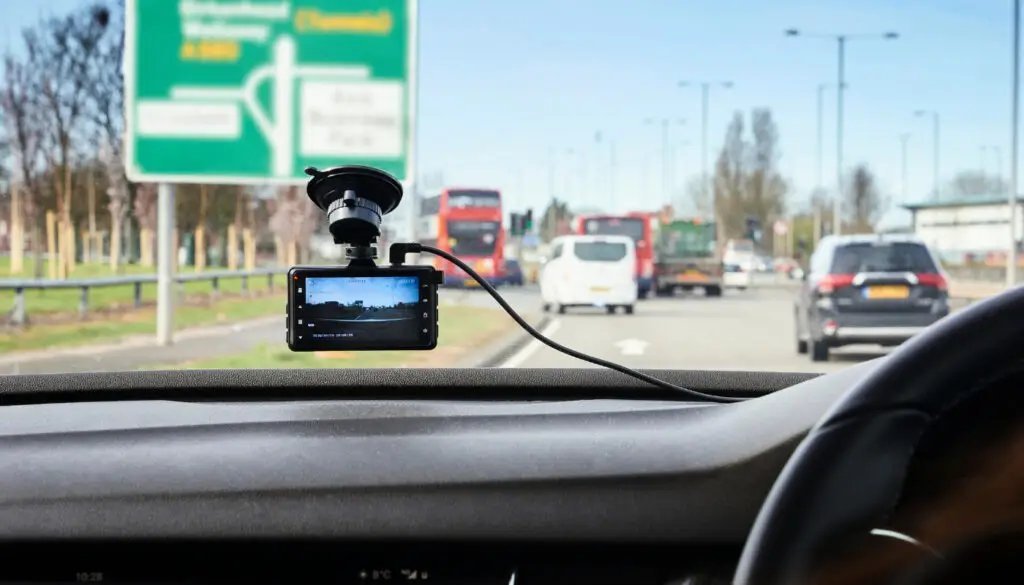
The Best Dash Cams for UK Drivers
A dash cam is the most boring purchase you’ll ever be glad you made. You fit it, forget it, and then one day someone pulls out of a side road into your path and insists it was your fault — and you’ve got the whole thing in 4K. With “crash for cash” scams still doing the rounds on UK roads, a dash cam has gone from enthusiast toy to sensible precaution.
Which Dash Cam Is Best for UK Drivers?
For most UK drivers, the sweet spot is a Nextbase 222/322GW or a Viofo A119/A129 — reliable, good night-time recording, GPS, and priced £80–£180. Nextbase is the UK market leader for good reason: UK-based support, models designed for UK conditions, and parking mode that actually works. Avoid the £25 no-name specials on marketplace sites — when you need the footage, you need it to be readable.
What Actually Matters in a Dash Cam
Forget the megapixel marketing. These are the specs that matter:
- Video quality you can read plates from. 1080p is the minimum; 1440p or 4K is better. But more important than resolution is the sensor and lens quality — a good 1080p camera beats a bad 4K one, especially at night. Number plate readability at night is the real test.
- Night performance. Most incidents happen in poor light. Look for a Sony STARVIS sensor (marketed heavily because it genuinely works) and check night-time sample footage on YouTube before buying.
- GPS. Embeds your speed and location in the footage. Useful for insurance claims — and it lets the camera auto-set the time, which matters more than you’d think for evidence.
- Parking mode. Records bumps and motion while parked. Needs hardwiring to the fuse box (or a battery pack) — the cigarette-lighter socket usually switches off with the ignition.
- Capacitor, not battery. Cheap dash cams use lithium batteries that swell and die in a hot car in summer. Good ones use capacitors. This is a bigger deal than it sounds.
- Loop recording with a G-sensor. Standard on everything decent — old footage overwrites automatically, and impacts get locked so they can’t be overwritten.
My Picks by Budget
- Under £100: Viofo A119 V3 — the enthusiast favourite. Superb video quality for the money, no frills, no screen fuss. Or the Nextbase 222 for something simpler with UK support.
- £100–£180: Nextbase 322GW — the UK best-seller. Good all-rounder with Wi-Fi, GPS and Alexa built in. The Viofo A129 Plus Duo if you want front and rear cameras.
- £180+: Nextbase 622GW (4K, excellent stabilisation) or the Viofo A229 Pro. Worth it if you do high mileage or want the best night footage.
- Front + rear: strongly consider it. Rear-end shunts are among the most common accidents, and a rear camera costs £40–£60 extra. Cheap insurance.
UK Legal Bits You Should Know
- Windscreen placement: the camera must not intrude more than 40mm into the area swept by the wipers (the “swept area”). Practically: mount it high behind the rear-view mirror, out of your line of sight.
- Data protection: for personal use, you’re generally fine. But if you publish footage online (YouTube “idiot drivers” compilations), GDPR can apply — blur number plates and faces to be safe.
- Insurance: many UK insurers offer 10–15% discounts for dash cam users. Tell yours — but check whether they require a specific spec.
- Audio recording: legal in the UK for personal use, but consider turning the microphone off if passengers might object. Some people find it creepy; I keep mine on for the evidence value.
Don’t Forget the Memory Card
The camera is only half the purchase. You need a high-endurance microSD card (Samsung Pro Endurance or SanDisk High Endurance, 64–128GB) — normal cards wear out fast under constant loop recording and fail exactly when you need them. Budget £15–£25. And format the card in the camera every month or two; it prevents the corrupted-file failures that plague neglected dash cams.
The Bottom Line
Nextbase 322GW or Viofo A119 V3, high-endurance card, mounted behind the mirror, footage backed up. Total cost: roughly £100–£150 for something that could save you thousands in a disputed claim. Speaking of backups — dash cam footage of an incident should be copied off the card immediately; our guide to free cloud backup applies to important video too. And if you’ve ever lost footage you needed, read how to recover deleted photos and videos from your phone — some of the same recovery tricks work on memory cards.
Dash Cam Questions, Answered
Can dash cam footage be used in court?
Yes — UK courts accept dash cam footage as evidence, and it’s routinely decisive in disputed claims. For maximum weight: make sure the date, time and GPS data are correct (wrong timestamps undermine credibility), don’t edit the footage, and provide the original file. Insurers love it too — clear footage can settle a claim in days instead of months.
Do I need to tell my insurer I have a dash cam?
Tell them — many UK insurers offer 10–15% discounts for dash cam users, so it can literally pay for itself. There’s no penalty for having one; the only requirement some insurers have is that it meets a minimum spec. When buying insurance, mention it during the quote, not after — discounts apply at purchase.
Is it legal to record audio in the car?
Yes, for personal use — the UK’s one-party consent approach means you can record conversations you’re part of. The consideration is passengers: it’s courteous to mention it, and some people find it uncomfortable. For evidence purposes, audio occasionally helps (horn use, verbal exchanges after an incident), which is why I leave the mic on.
How long do dash cams keep recording?
They loop continuously — a 128GB card holds roughly 8–12 hours of 1080p footage (less at 4K) before overwriting the oldest. Impact-triggered clips are locked and protected from overwriting. If something happens, pull the card or use the camera’s Wi-Fi to save the clip promptly — don’t rely on finding it weeks later. Independent dash cam testing at Which? includes night-time number-plate readability tests, which is the spec that actually matters.