
E-Waste Recycling: Is It Worth It for Beginners? Honest Guide
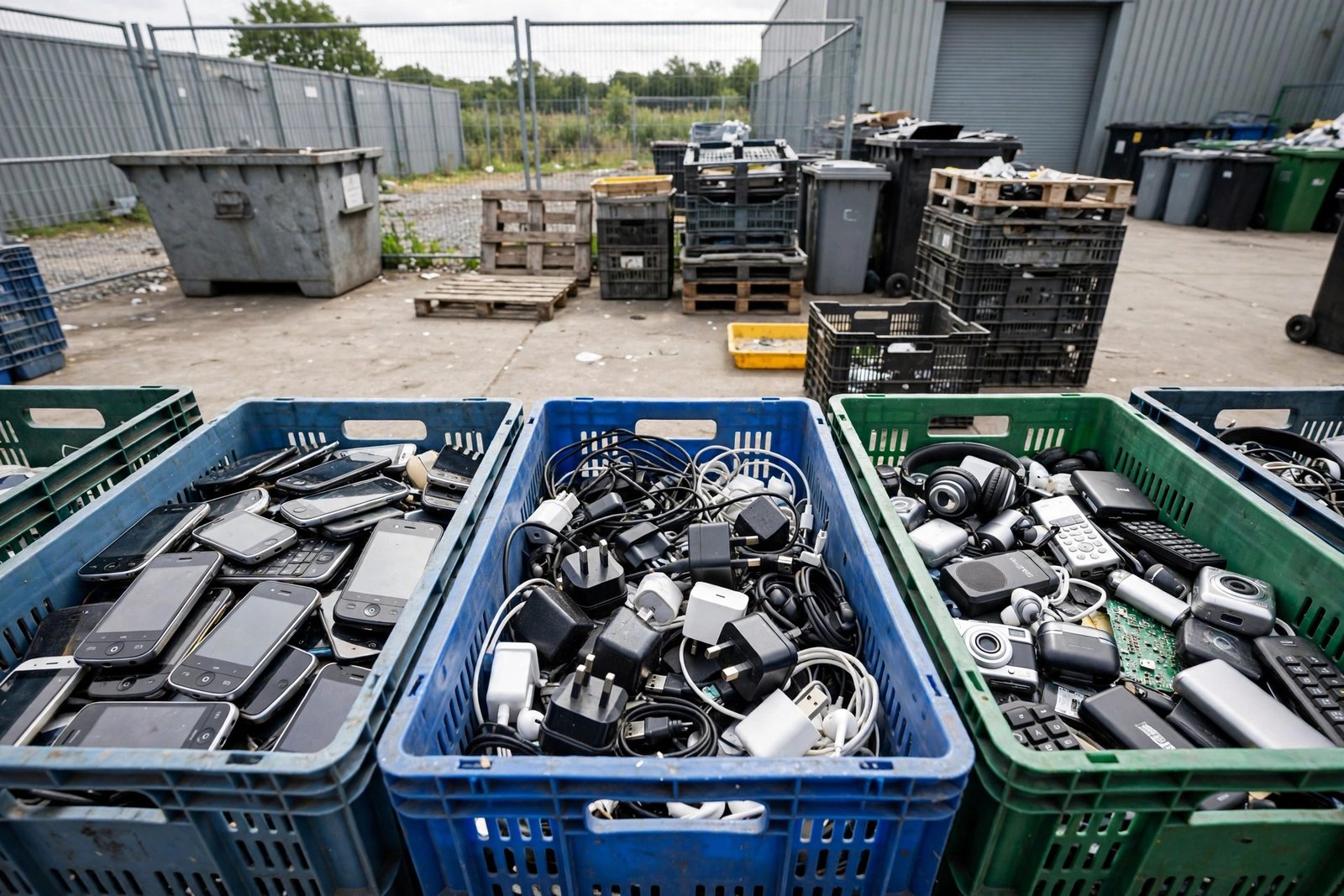
The drawer of dead tech: old phones, tangled chargers, the tablet with the cracked screen, the kettle that gave up. The average UK household hoards several unused devices, and globally e-waste is the fastest-growing waste stream, tens of millions of tonnes annually. Inside those dead gadgets are gold, cobalt, rare earths, and also lead, mercury and flame retardants. Understanding e-waste recycling means knowing what happens after you hand them over, and whether the effort is worth it for a beginner.
It is, emphatically, with one crucial caveat: recycling is the third-best option, after using things longer and repairing them. This article covers the hierarchy, the free UK recycling routes, what actually happens to your gadgets, and the repair-first rule that matters most.
The Hierarchy: Longevity, Repair, Then Recycle
For electronics, the waste hierarchy is stark because manufacturing dominates the footprint. Around 70-80% of a smartphone’s lifetime carbon is emitted in manufacturing; using a phone for four years instead of two roughly halves its annual footprint, dwarfing any recycling benefit. So the beginner’s first move is not recycling but longevity: protective cases, screen protectors, battery care (avoiding constant 100% charge), and resisting upgrade marketing.
Second comes repair, and the economics have improved. A screen replacement (£40-80 at independent shops) or battery swap (£25-50) routinely extends a phone’s life by years, as iPhone screen replacement costs show. The right-to-repair movement is gradually improving parts availability, and checking whether extended warranties are worth it can make sense for expensive devices. Only when a device is truly dead does recycling enter, and then it matters a great deal.
What Actually Happens to Recycled Gadgets
The honest answer: it depends where you take them. Proper UK e-waste recycling, governed by the WEEE (Waste Electrical and Electronic Equipment) regulations, involves manual dismantling, hazardous-component removal, and material recovery: copper, aluminium, steel recycled at high rates, precious metals recovered in specialist smelters, plastics more variably. Recovery rates for bulk metals are good; for rare earths and some critical minerals, still poor, which is why longevity matters more. The irony is sharp: the energy transition needs these same critical minerals for batteries and wind turbines, making every discarded phone a small deposit of materials we will mine again at far greater cost. Urban mining, recovering metals from e-waste, is growing but cannot keep pace with the throwaway tide. Every year you extend a device’s life is a year its minerals stay in service instead of re-entering the extraction cycle. That is the beginner’s real leverage: time, not technology, and it is completely free for every single beginner who tries it properly starting today.
The dark side is illegal export: a share of the developed world’s e-waste has historically been dumped in West Africa and Southeast Asia, where informal burning poisons communities. Using reputable UK routes matters enormously. The Recycle Your Electricals campaign maps legitimate options, and gov.uk’s WEEE guidance explains retailer obligations: large retailers must take back old electronics when selling you new ones, free.
The Right to Repair: Your New Superpower
The most important e-waste development in years is not a recycling technology but a legal principle: the right to repair. EU and UK regulations now require manufacturers to make spare parts and repair information available for certain appliances for up to a decade, and the movement is expanding to electronics. This shifts power from manufacturers’ upgrade cycles to owners’ decisions, and the beginner should exploit it fully.
Practically, this means: before replacing, search for parts and guides (iFixit scores devices for repairability; choose high-scoring ones next time you buy). Use independent repair shops, which are typically 30-50% cheaper than manufacturer service. Attend repair cafes, where volunteers fix things free and teach you how, turning a broken toaster into a skill. And buy with repairability in mind: removable batteries, standard screws, available parts. Each repairable purchase is a vote for the market you want. The throwaway era was a business model, not a law of nature; the repair era is a choice, and it starts with your next purchase decision.
The Free UK Routes: Where Everything Goes
Small gadgets (phones, chargers, kettles, toys): most council household waste recycling centres accept WEEE free; many supermarkets host small-electricals collection points; Currys and other large retailers take back old items. Phones specifically: manufacturer and charity take-back schemes often pay or donate value for working devices. Batteries: never in general waste (fire risk); supermarkets and DIY stores have free battery collection bins.
Large appliances: retailers must offer free take-back on delivery of equivalents, and councils collect bulky WEEE, sometimes free, sometimes for a small fee. Laptops and tablets with personal data: wipe properly first (factory reset is not always enough; use the manufacturer’s secure-erase guidance), or use a reputable refurbisher who data-wipes professionally. The entire system is free at point of use; the only cost is the ten minutes to sort the drawer.
The Beginner’s Action Plan
Weekend one: the drawer audit. Gather every dead or unused device in the house; the average haul surprises everyone. Sort into three piles: working (sell or donate), repairable (get a quote), dead (recycle). Data-wipe the working and repairable pile. Weekend two: execute. List the working items (Facebook Marketplace, eBay, or donation to charity refurbishers), drop the repairable at a repair shop or repair cafe, and take the dead pile to the council recycling centre or retailer collection.
Then change the inflow: cases and protectors on everything, batteries treated kindly, and a personal upgrade rule (e.g. four years for phones) that marketing cannot override. When you do buy, consider refurbished first: manufacturer-refurbished phones and laptops cost 20-40% less than new, come with warranties, and skip the manufacturing footprint that dominates the device’s lifetime impact. The refurbished market has matured enormously; the stigma is gone, the warranties are real, and the savings are immediate. Buying refurbished is the closest thing to a free lunch in consumer electronics. The drawer stays empty because the pipeline changed, not because of one heroic sort. E-waste understanding, for a beginner, is 10% recycling knowledge and 90% buying and keeping discipline.
Conclusion
Understanding e-waste recycling is worth it for a beginner, because the system is free, the drawer audit takes a weekend, and the real prize is the hierarchy it teaches: longevity first, repair second, recycling third. Your dead gadgets contain precious metals worth recovering and toxins worth containing; the reputable UK routes handle both. Sort the drawer, change the inflow, and the fastest-growing waste stream gets one household smaller.
Frequently Asked Questions
Where can I recycle old electronics in the UK?
Council recycling centres (free), retailer take-back schemes (legally required for large retailers), supermarket collection points for small items and batteries, and charity/manufacturer phone schemes.
Is it safe to recycle phones with personal data?
Use proper secure-erase procedures, not just factory reset, or use reputable refurbishers who data-wipe professionally. Remove SIM and memory cards regardless.
Should I repair or replace a broken phone?
Usually repair: screens £40-80 and batteries £25-50 typically extend life by years, far cheaper and greener than replacement. Replace only when repair costs approach replacement value.
What is WEEE?
Waste Electrical and Electronic Equipment regulations governing UK e-waste handling, requiring proper treatment and making retailers responsible for take-back.